In the gastronomy of tomorrow, social change is reflected on the plate—with new expectations regarding quality, identity, and experience. The new food culture is both accessible and sophisticated, local and global, healthy and indulgent.
Democratization of luxury products
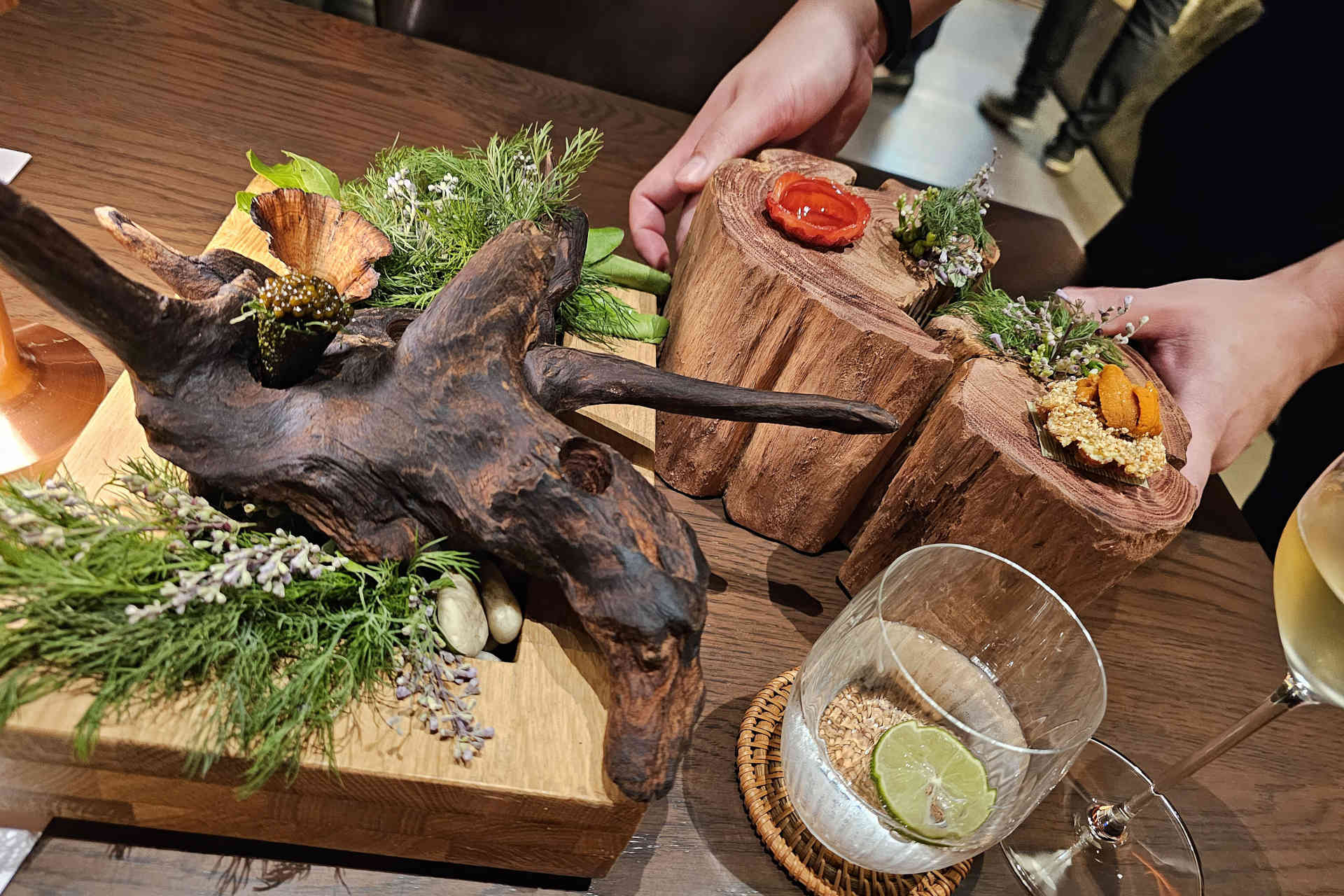
Once-luxurious products like truffles, lobster, or premium cuts are increasingly becoming part of everyday life—not in price, but in their presence. In signature dishes, snacks, or casual fine dining concepts, they are becoming part of the regular menu and accessible to a broader audience. What is new or different is hyped online as a hero product.
Pistachio is the new Matcha
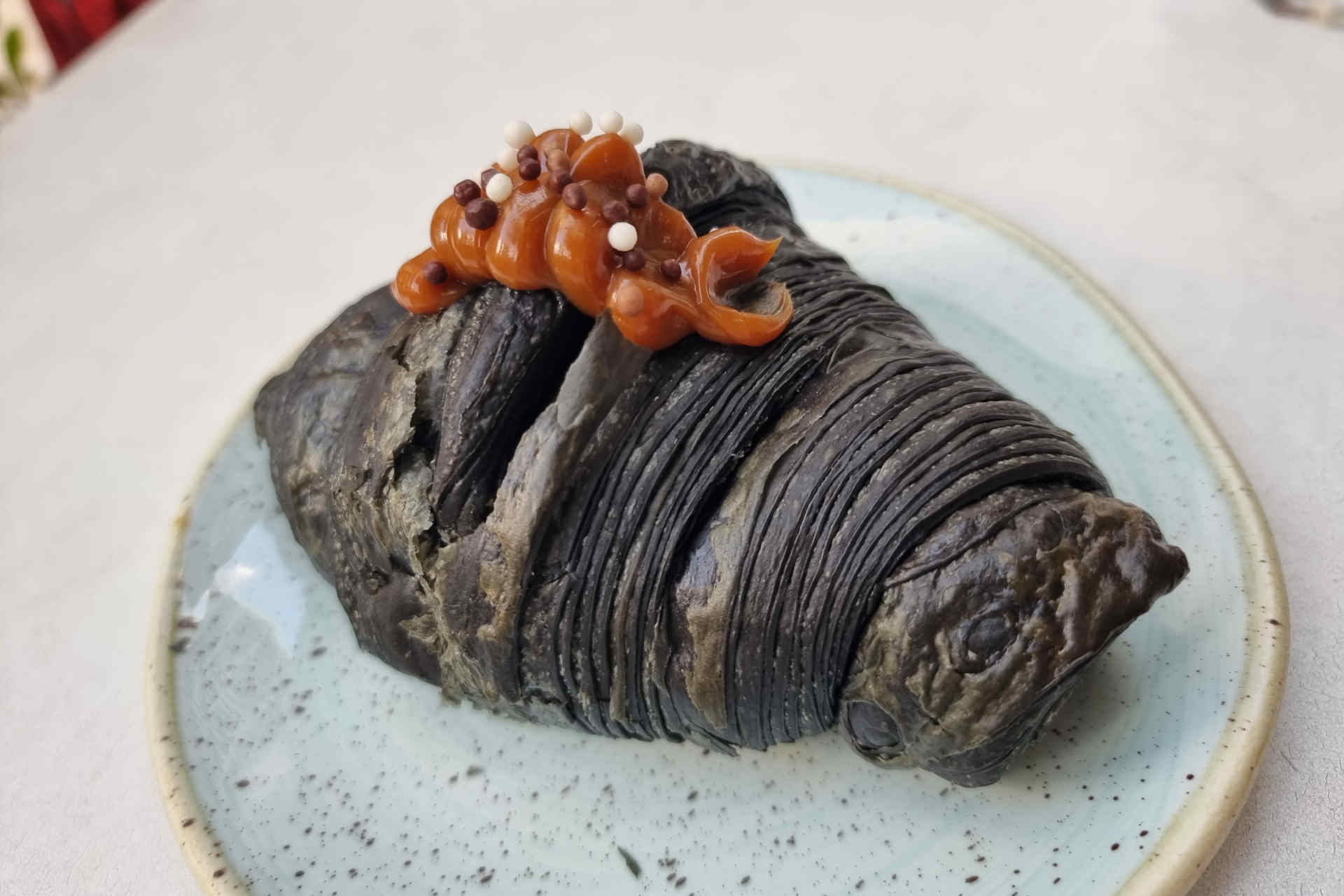
What was once an Instagram trend is now a staple: pistachio is establishing itself as a star ingredient in pastry, cuisine, and snack culture—from croissants to desserts. Especially when paired with umami-rich flavors, it gains depth and complexity.
Europe is eating better
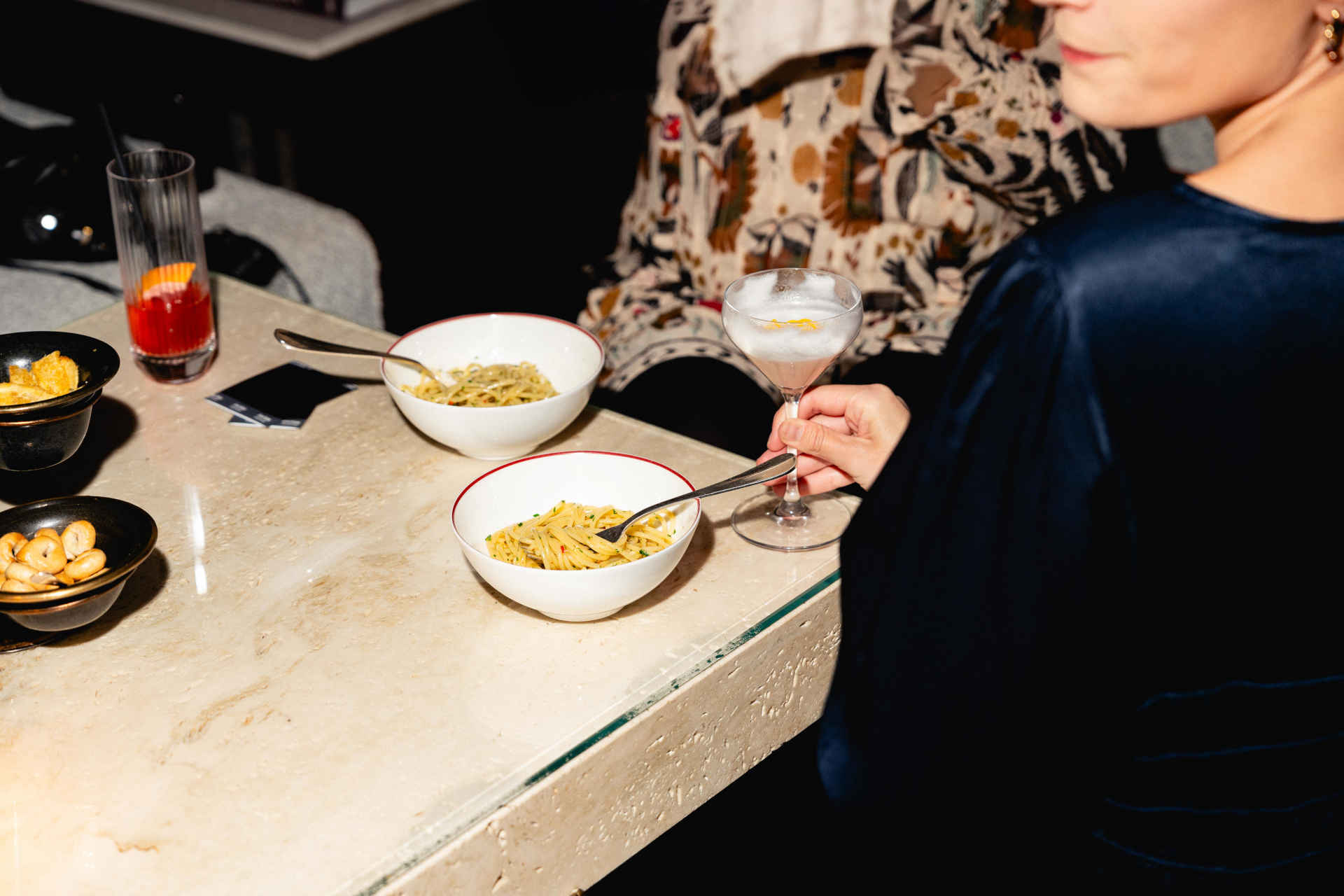
A return to authentic European cuisines, such as Italian, Spanish, and French, is making a comeback—beyond tourist clichés. Young, ambitious restaurant groups are professionalizing classics and reinterpreting them—even on a large scale, as seen in concepts like L’Osteria or 60 Seconds to Napoli.
Sharing is caring
Family-style dining—that is, sharing dishes at the table—is increasingly becoming the norm, even beyond Asian restaurants. Sharing a meal together strengthens the social aspect of dining—whether in a restaurant or an upscale company cafeteria.
Plant-based – exciting and intense
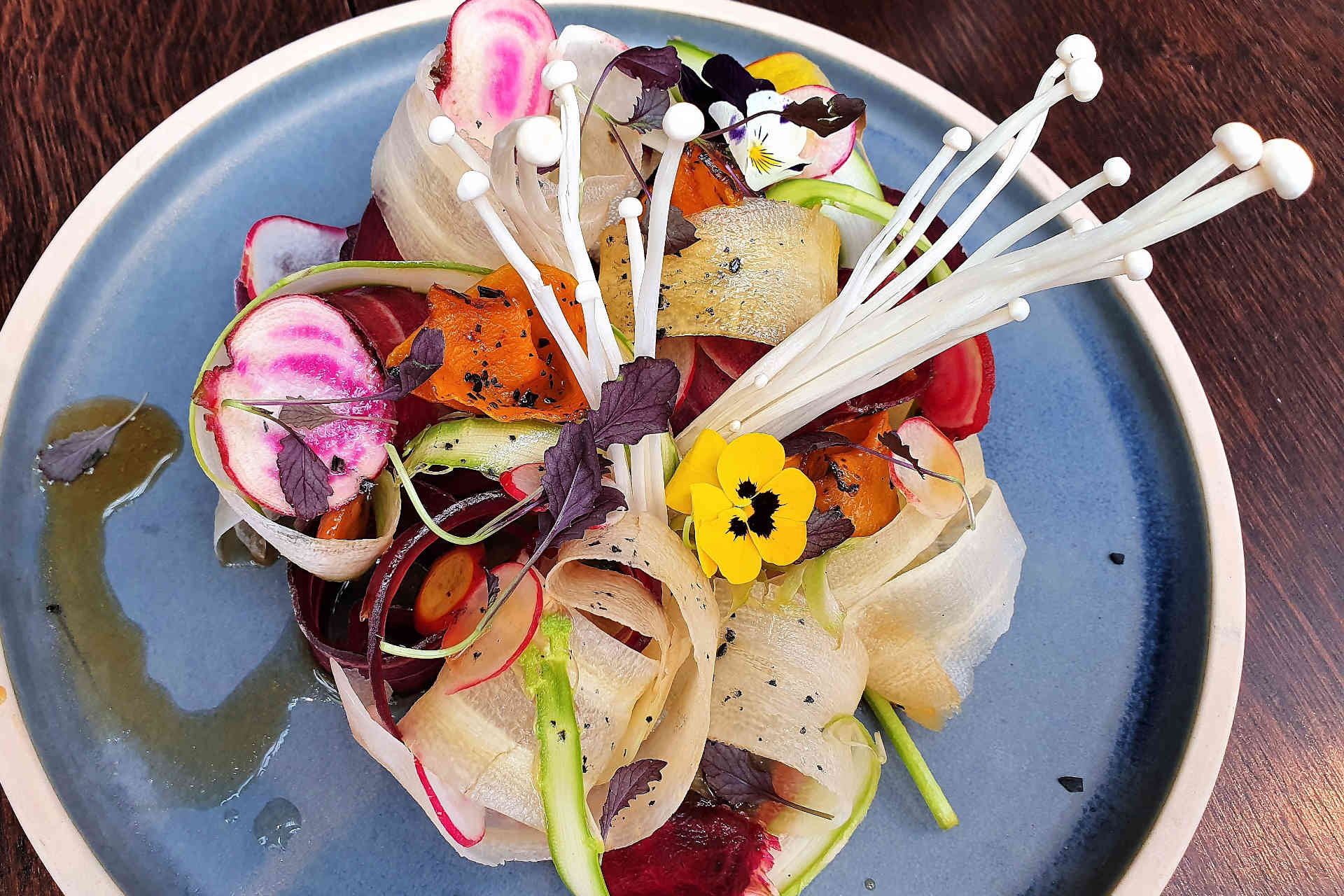
The trend toward plant-based diets remains steady—but more nuanced. Many consumers are consciously opting for flexitarianism again, yet at the same time expect exciting vegetarian and vegan options. Particularly in demand: aromatic preparations, Asian influences, fermented elements, and umami.
Longevity, but please make it delicious
For the “active seniors” demographic—especially baby boomers—enjoyment goes hand in hand with a healthy lifestyle: less, but better. Smaller portions, smart combinations, more vegetables, less sugar—without seeming ascetic. This is giving rise to new menu concepts, including for hotel dining and company cafeterias.
Local cuisine, with a modern twist
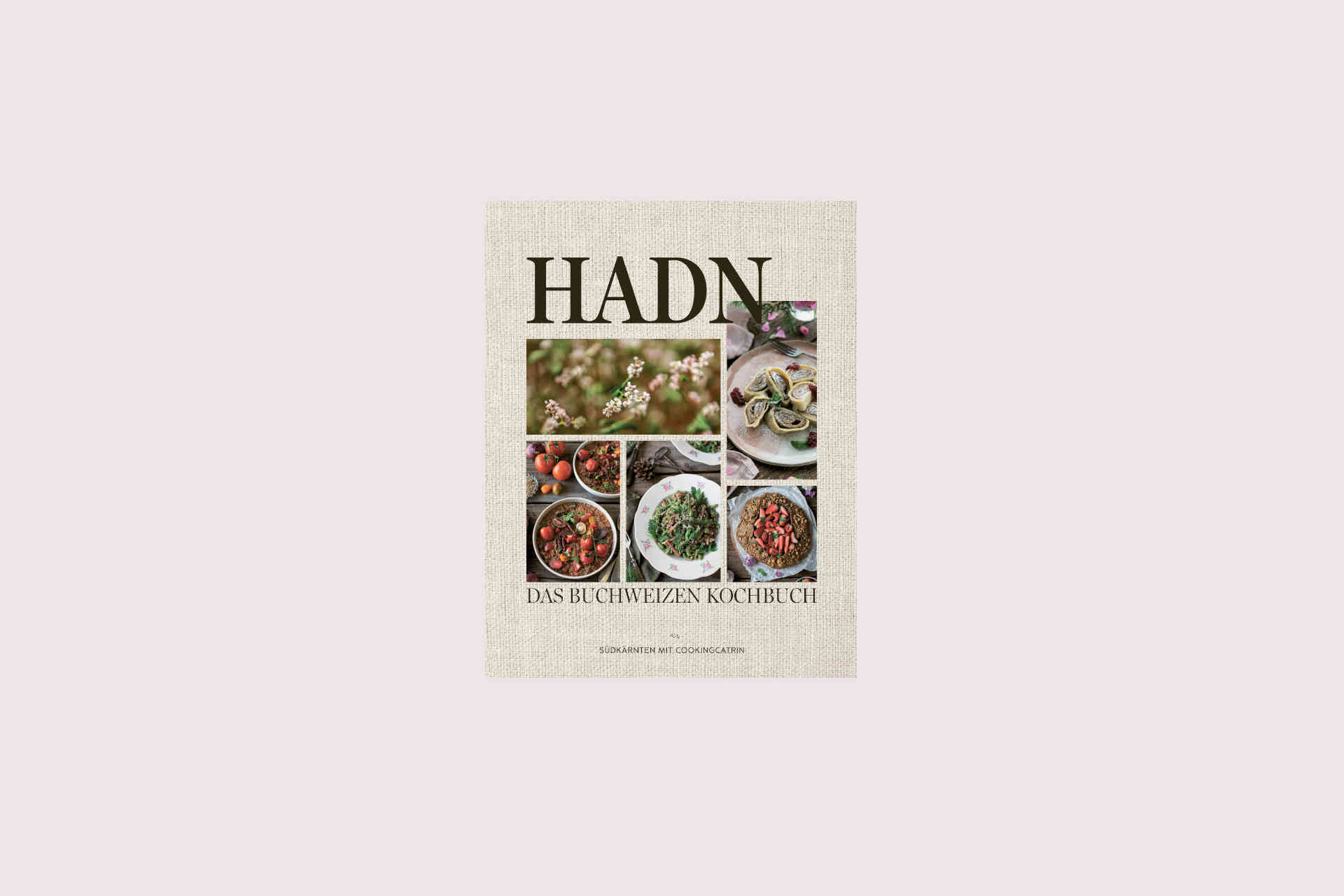
Traditional recipes and ingredients are making a comeback—reimagined by young chefs, presented in a healthier and more visually appealing way. Regional identity and storytelling around the product build credibility and a sense of connection.
Storytelling on the Plate
Whether a vegan signature dish or a classic lunch: dishes tell stories—about origin, values, and taste. Hero products and hero dishes help make a restaurant’s positioning clearly tangible—with a streamlined menu and improved profitability.
Mindful Drinking & New Drinking Rituals
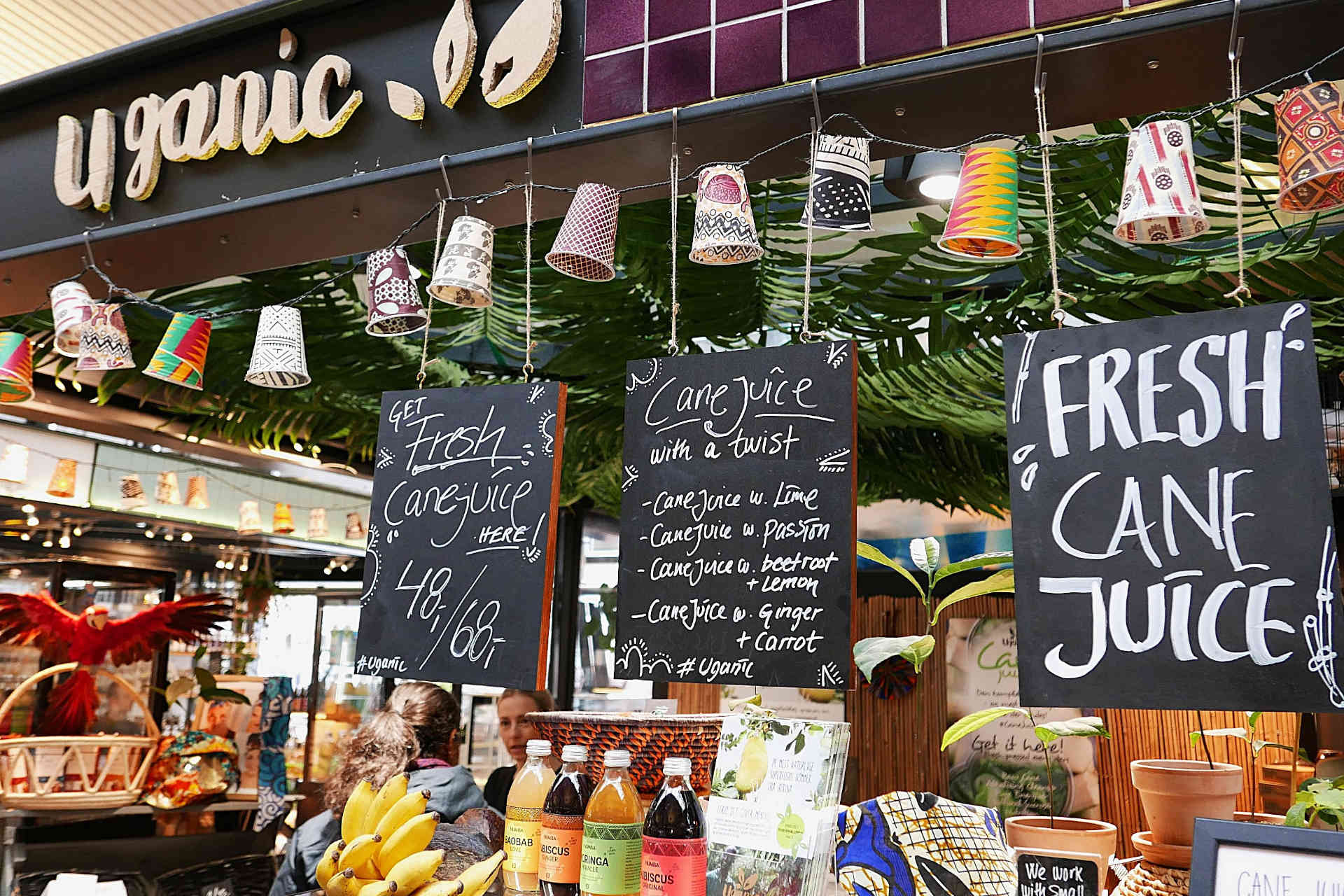
Alcohol consumption is changing. Drinking is becoming less tied to specific times of day—such as pre-dinner drinks at a bar, during lunch, or after work. Non-alcoholic alternatives are gaining prominence: tea in luxury bottles, matcha as a meal accompaniment, fermented drinks, or small batches of carbonated beverages offer new experiences in the glass. Coffee remains strong—and increasingly creative—while tea is catching up.
International Food Trends – Diversity with Depth
South America, the Levant, and India are shaping the flavor profiles of the coming years through diversity, vibrancy, and health. Botanical notes, fiery cuisine, street food sophistication, and crops with a long tradition are opening up new culinary horizons. But global cuisine also means taking responsibility for origin and value creation, setting new standards in quality, ethics, and storytelling.