Pasta has never been just al dente
Why Italian Cuisine Is Currently Being Radically Rewritten
25 April 2026 · Alexandra Gorsche
In 2025, Italy was officially designated a UNESCO World Heritage Site – for its cuisine. Not a single dish. Not a single product. An entire cuisine. As a “system of social practices, regional traditions, and collective rituals”. The initiative for this historic recognition was largely spearheaded by the long-established culinary magazine La Cucina Italiana, whose editor-in-chief, Maddalena Fossati Dondero, has been actively driving the international push for the UNESCO listing of Italian culinary culture since 2020.
And now, of all times, pasta is being reinvented. What sounds like a contradiction is, in truth, a logical consequence: if a cuisine is cultural heritage, it must not become stagnant. It must continue to evolve. Pasta is not merely a side dish in this context. It is the stage.
The Provocation: Overcooked Pasta as a Michelin Statement
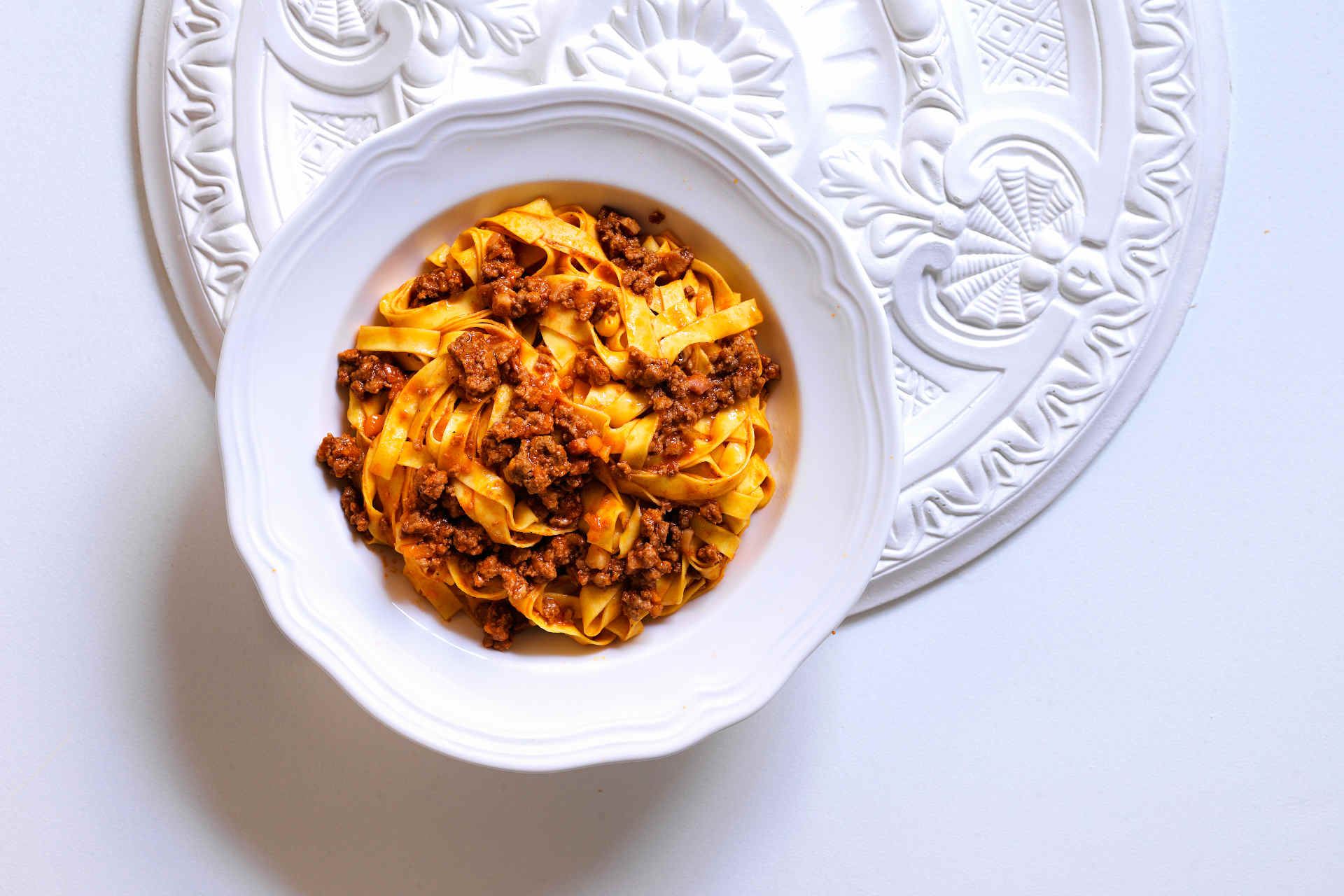
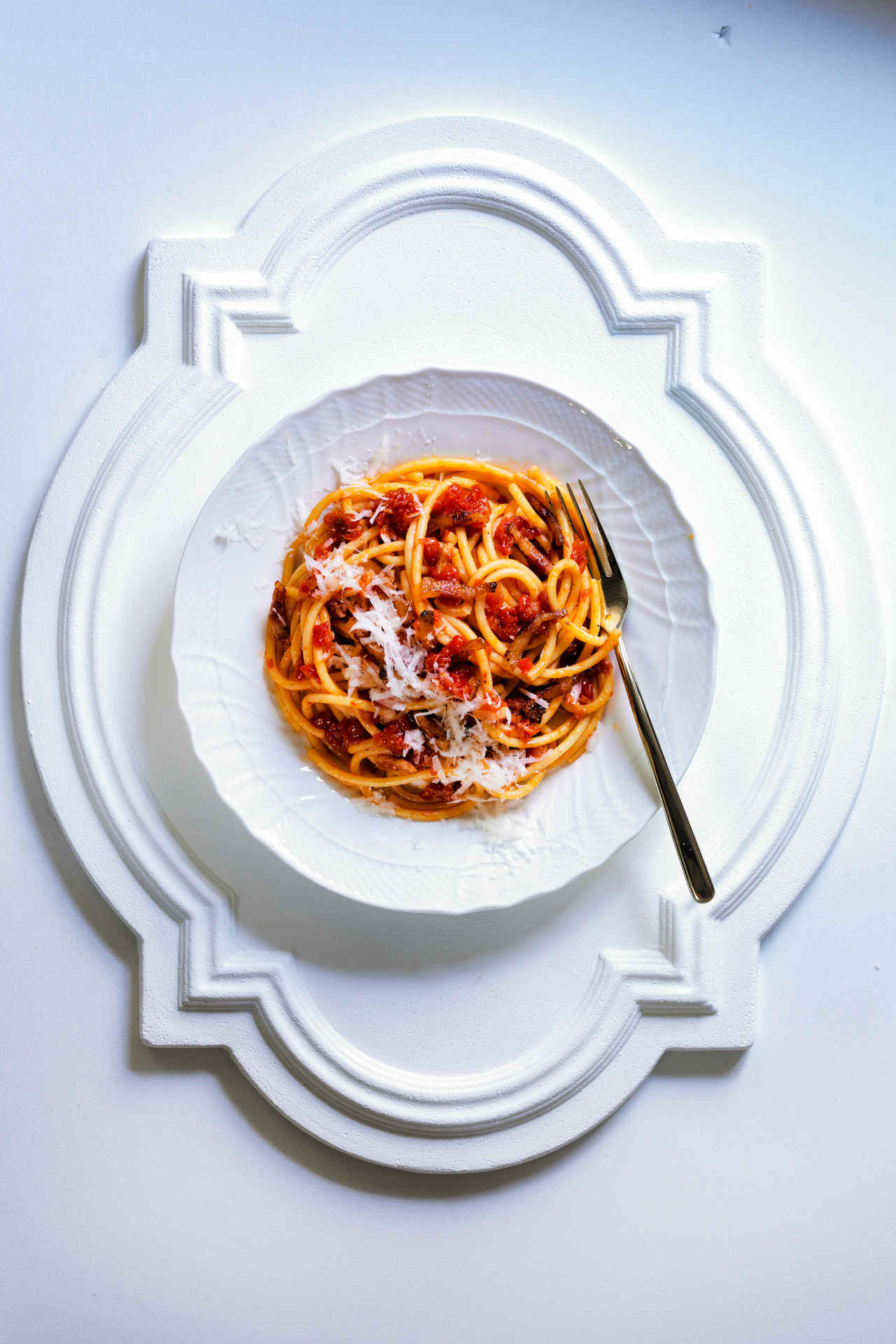
One of the first to challenge this dogma was Davide Scabin. Together with Riccardo Felicetti, he developed the “Soufflé di Maccheroni” in 2012 – deliberately overcooked pasta that puffs up like a soufflé when baked. Served over Ragù alla Milanese and finished with 24-month-aged Parmesan. A year later came the dessert Bombolino di Mezzanotte, a doughnut made of overcooked pasta, filled with lemon cream.
In short: pasta doesn’t have to be al dente. It has to make sense. Scabin proved that cooking time is not a dogma, but a dramatic tool. Pasta became textural architecture. A culinary medium.
Nostalgia Meets Precision: JR & Son, New York
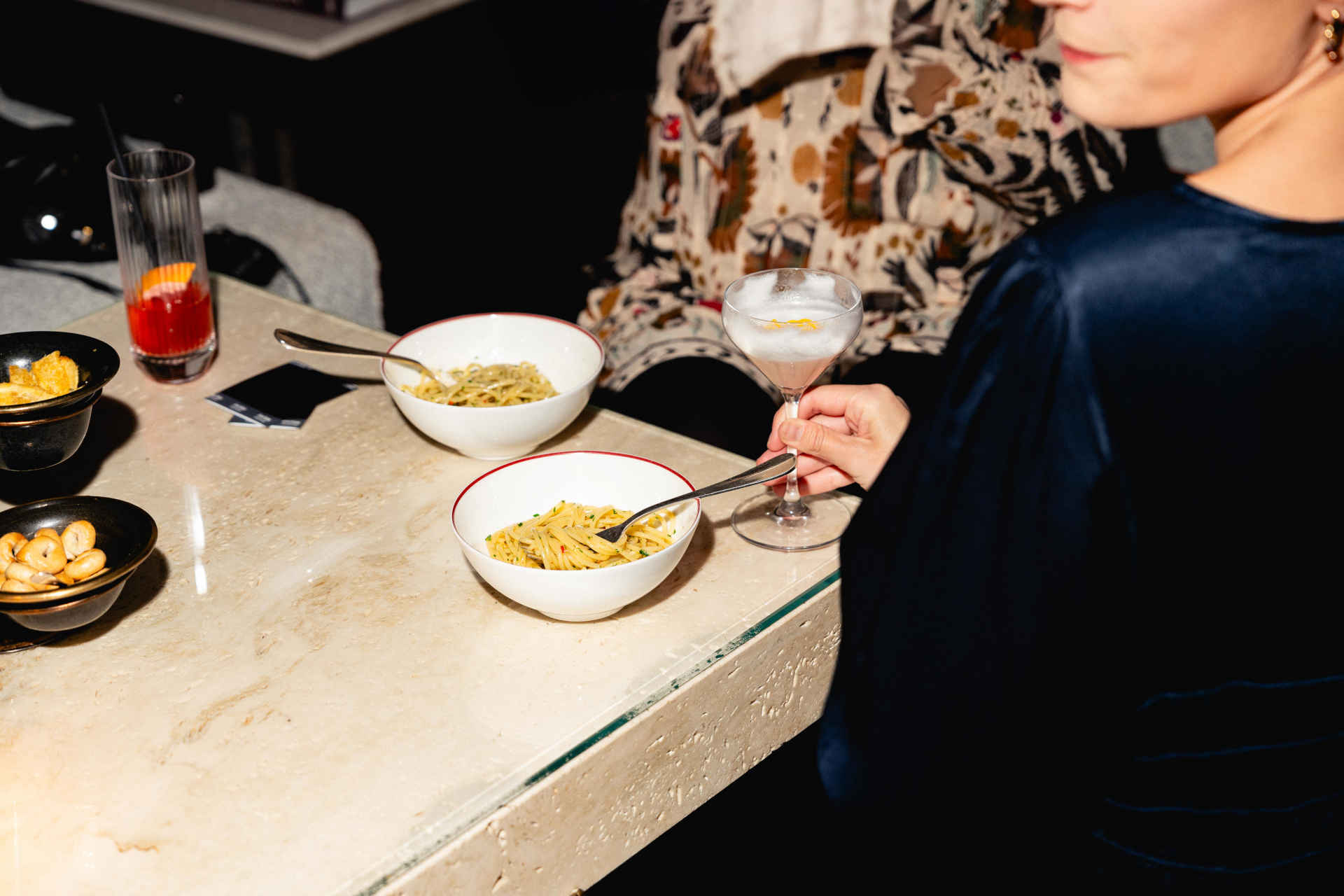
A particularly exciting example comes from Williamsburg. JR & Son looks like a relic from the ’70s: red leather benches, dark wood, checkerboard floors. But on the plate, the future is unfolding. Spaghetti & Meatballs taste like a memory, yet feel reborn. Arancini become crouton-sized textural experiments. Chicken Parm gets sesame in the breading. Rainbow cookies go vegan with coconut instead of almonds. Nostalgia serves as the stage. Innovation is the plot. Here we see a trend that is also relevant for Europe: the focus is not on deconstruction, but on intelligent reinterpretation.
A Different Italy: The New Movement
But Scabin is not alone. Italy is currently undergoing a phase of radical reinterpretation. With “Five Ages of Parmigiano”, Massimo Bottura deconstructs a single product into five textures, an intellectual homage to craftsmanship and memory.
Gualtiero Marchesi, the spiritual father of modern Italian cuisine, combined design, minimalism, and high technology long before “molecular” became a buzzword.
Niko Romito transforms highway rest stops into culinary laboratories with ALT Stazione del Gusto. Fried chicken with a Michelin mindset.
Gabriele Bonci extends dough fermentation times, works with wild yeasts and specialty flours, turning pizza al taglio into precision work.
Stefano Callegari invents the Trapizzino, a hybrid of sandwich and pizza – tradition in a new format. Restaurants like Kissa Tanto combine tajarin with ramen-inspired concepts, lasagna with miso; Italian structure meets Japanese umami. The message is clear: Italian does not mean conservative. Italian means self-assured.
Product Intelligence: When Craftsmanship Meets Market Reality
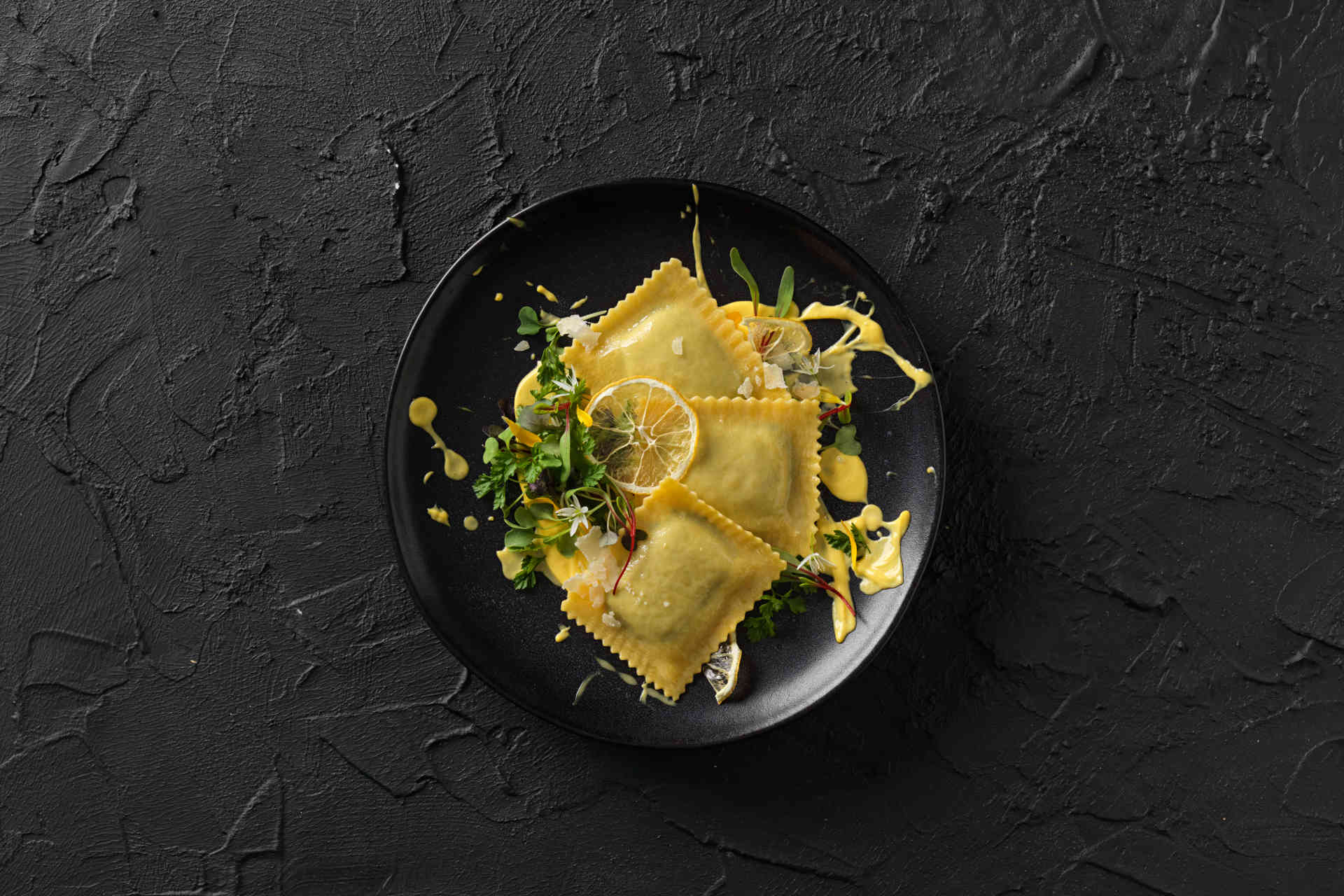
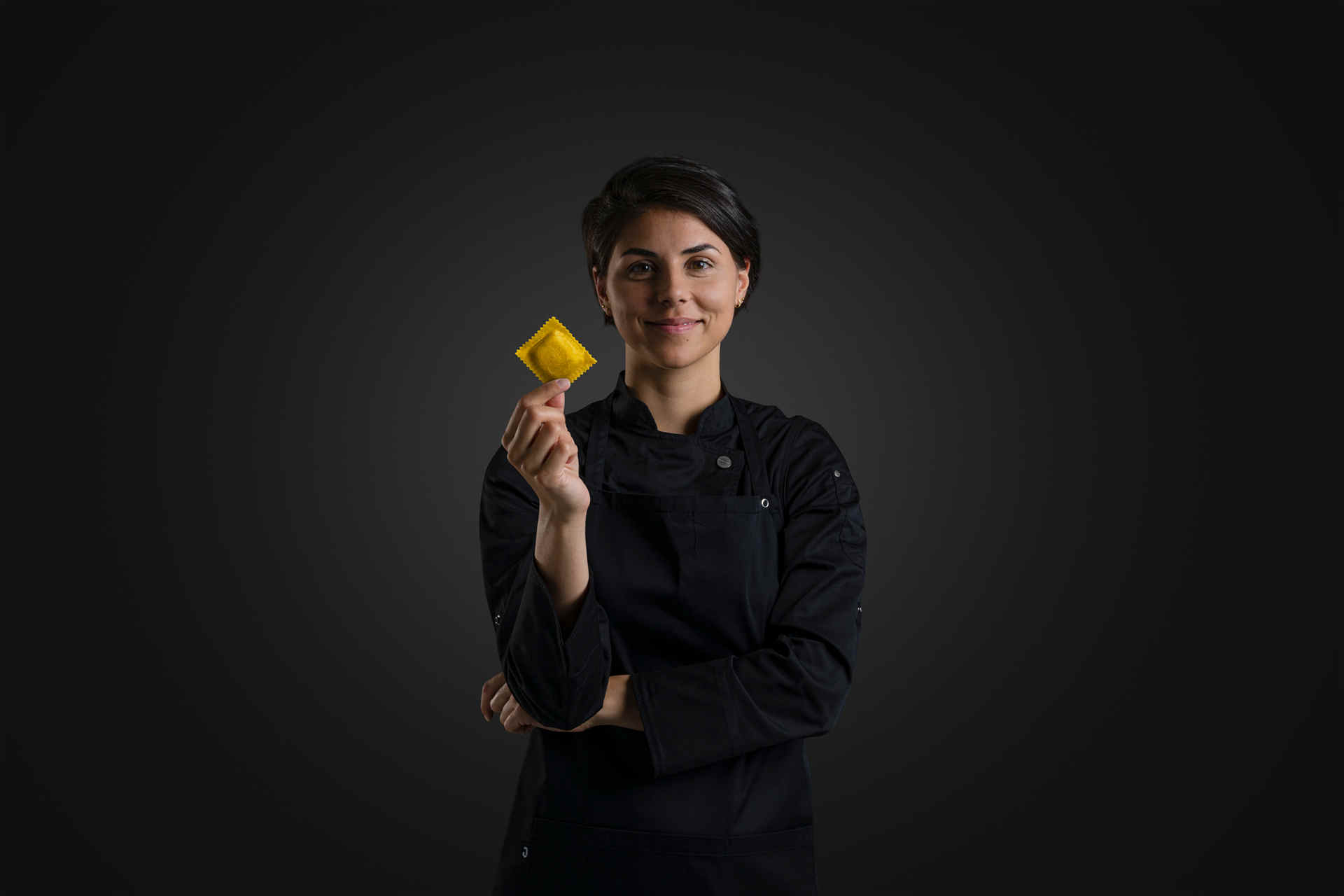
Alongside the avant-garde, the professional infrastructure is also evolving. With LA PASTERIA®, Hilcona is introducing a premium line to Austria that demonstrates how production intelligence can support haute cuisine. The Gran Raviolo, with a filling content of around 60 percent, extruded from durum wheat semolina and free-range eggs, offers a consistently al dente texture while allowing maximum creative freedom. Variations such as Fondue & Chasselas Romand translate terroir into a dimensionally stable pasta architecture. In times of labor shortages, this is not a convenience product. It is strategic precision.
Pasta as a system, not just a recipe
What connects all these approaches?
- Pasta is conceived structurally – not just in terms of flavor
- Texture takes center stage, replacing sauce
- Regionality is interpreted in a modern way, not preserved like a museum piece
- Haute cuisine and everyday cooking merge
Even classic shapes like pici – once hand-rolled at room temperature – are now deliberately presented with irregularities to highlight their authenticity. Imperfection as a statement.
The Real Trend
The story isn’t about “pasta reimagined”. The story is this: pasta is being taken seriously. It’s no longer just a side dish. It’s a symbol of identity, a playground for experimentation, a revenue driver, a signature moment. And perhaps that’s precisely the irony of UNESCO’s recognition: the more a cuisine is protected as cultural heritage, the more boldly it’s allowed to evolve.
Our conclusion for the future
Pasta was never just al dente. It was always an idea. And those who rethink it today are not writing against Italy. But for its future.
About Davide Scabin:
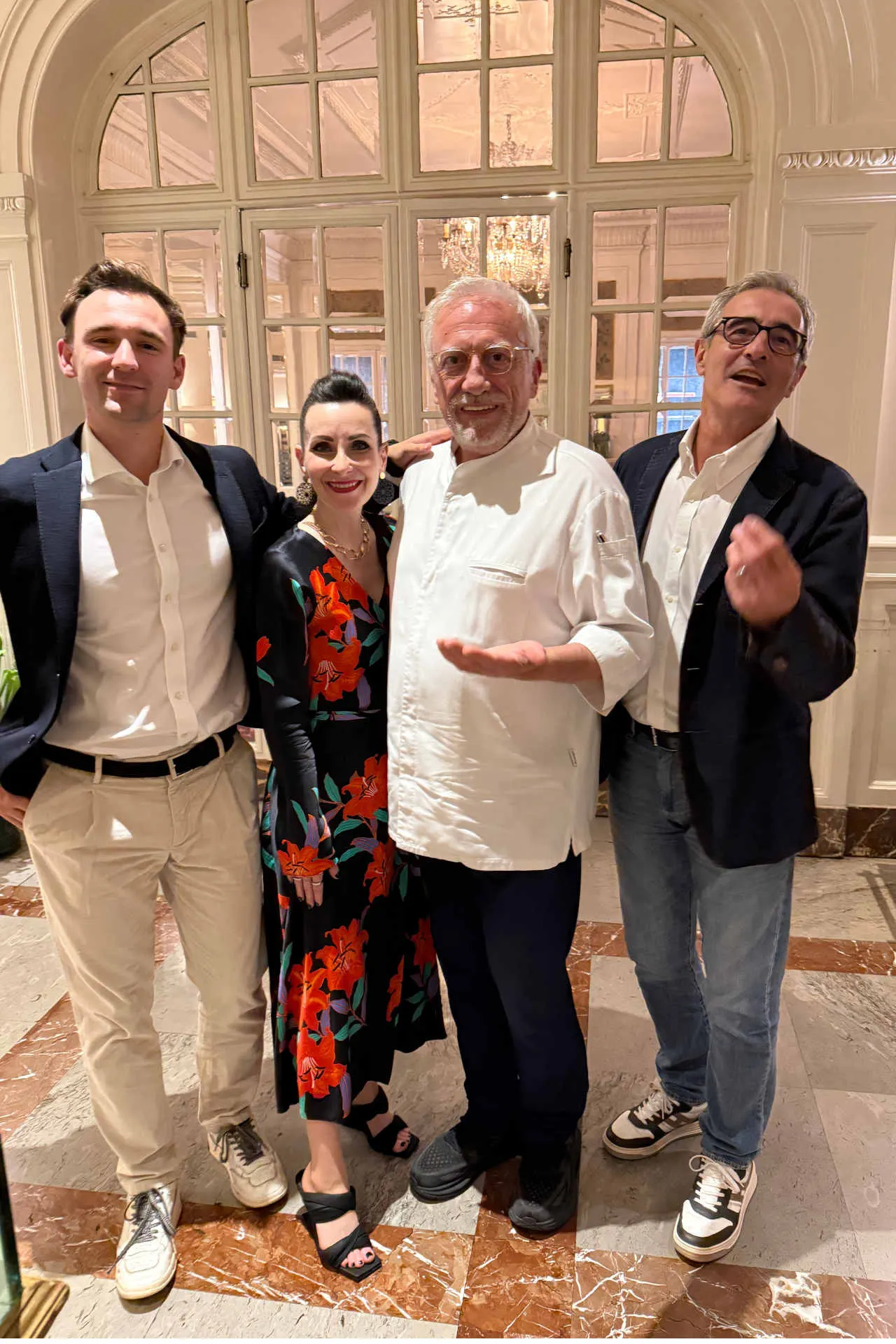
Born in Rivoli in 1965, he shaped the Italian avant-garde with Combal.Zero. Two Michelin stars, ranked 28th on the World’s 50 Best Restaurants list, ESA space meals, and intensive research into pasta textures. He is considered one of the most radical thinkers in Italian cuisine and someone who does not break with tradition, but rather penetrates it.