Organic & Sustainable Hospitality
From Provenance to “Check Your Fish!” – How Hotels and Restaurants Can Lead the Way
07 September 2025 · Alexandra Gorsche
Organic is booming, regionality is a key differentiator, and responsibly sourced fish is becoming increasingly relevant. Two initiatives – “Check Your Fish!” (by ASC & MSC) and the expanded organic/regional product portfolio of METRO Austria – illustrate how operators can future-proof their purchasing, menu design, and guest communication. Plus: solid statistics from Austria and a practical checklist for hospitality businesses.
Market Context: Demand Is Rising – and Transparency Is Expected
- Austria is an organic leader: In 2024, 698,590 hectares of farmland were cultivated organically (+5% year-on-year). That equals 27.3% of total farmland. There are 24,099 organic farms – about 23% of all farms.
- Demand in hospitality: Guests increasingly scrutinize origin, production methods, and sustainability. For hotels and restaurants, this means that sourcing, menus, storytelling, and traceability must go hand in hand.
Why it matters: Clear proof of organic, regional, and responsibly sourced fish builds guest trust, justifies price points, and enhances loyalty – especially in upselling (menus, pairings, breakfast, banquets).
Case 1 – “Check Your Fish!” (ASC & MSC): Responsible Enjoyment, Clear Communication
The campaign “Check Your Fish!” provides consumers with recipes, guidance on ASC/MSC certifications, and shopping tips. Its message: sustainable fish consumption is “double delicious” – good for the oceans and for flavor.
What does “sustainable” mean here?
- MSC-certified wild catch: protecting fish stocks, certified fisheries, transparent supply chains.
- ASC-certified aquaculture: responsible stocking, feed sourcing, animal welfare, environmental and social standards.
“Our culinary journey begins with the origin of the ingredients, not just in the kitchen.” – Florian Zerbst, Fischkochstudio Bremerhaven
Practical relevance for hospitality:
- Product choice: Familiar species like salmon/cod, plus alternatives like responsibly farmed seabass or North Sea herring.
- Pairing with regional produce: seasonal vegetables, Alpine herbs, fermented sides – short transport routes and strong storytelling.
- Communication at the table: visible seals on the menu, one-line sourcing notes under each dish, QR codes linking to certification info.
“Fish provides easily digestible protein, Omega-3s, and Vitamin D – ideal for healthy, quick meals.” – Julia Steinberg-Böthig, FIZ Hamburg
Dish ideas (from “Check Your Fish!”):
- Pulled salmon (ASC) with rye buns & herb salad
- Pan-seared MSC white fish on pea purée with sugar snap salad
- Seabass (responsible aquaculture) with black cumin & lemon yogurt
- Bremerhaven-style matjes salad (MSC herring) with apple vinaigrette
Case 2 – METRO Austria: Organic & Regionality as Growth Drivers
Current range:
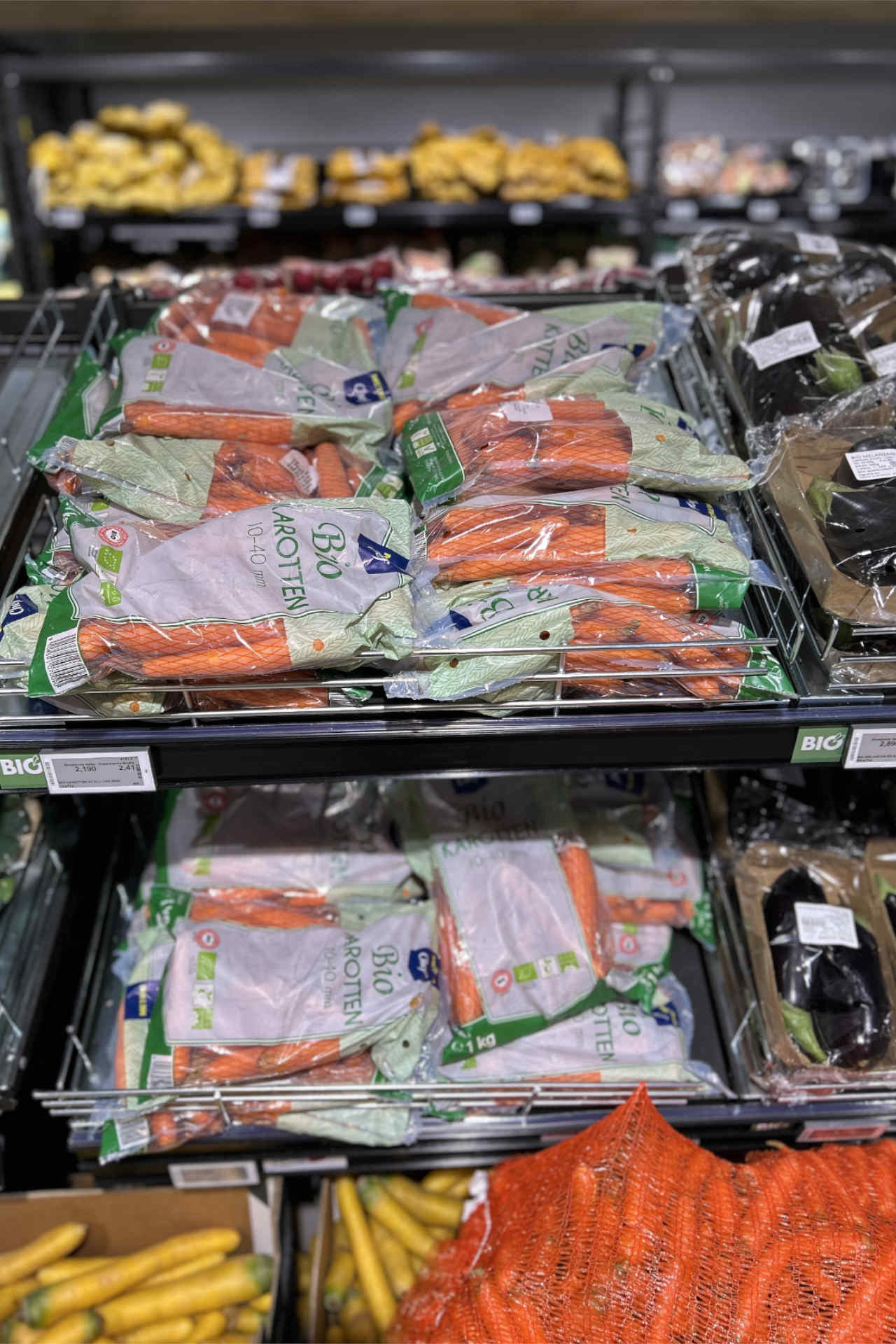
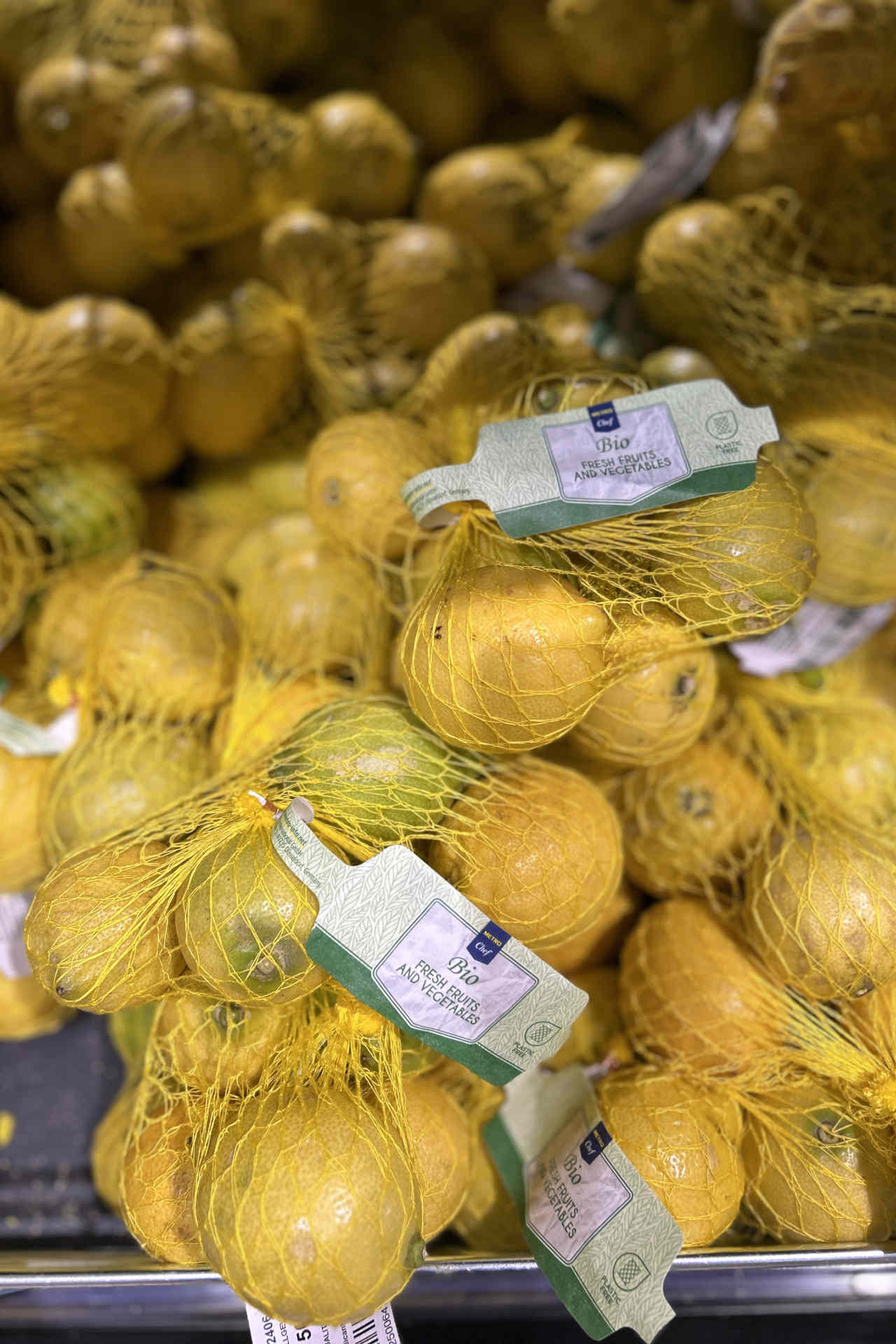
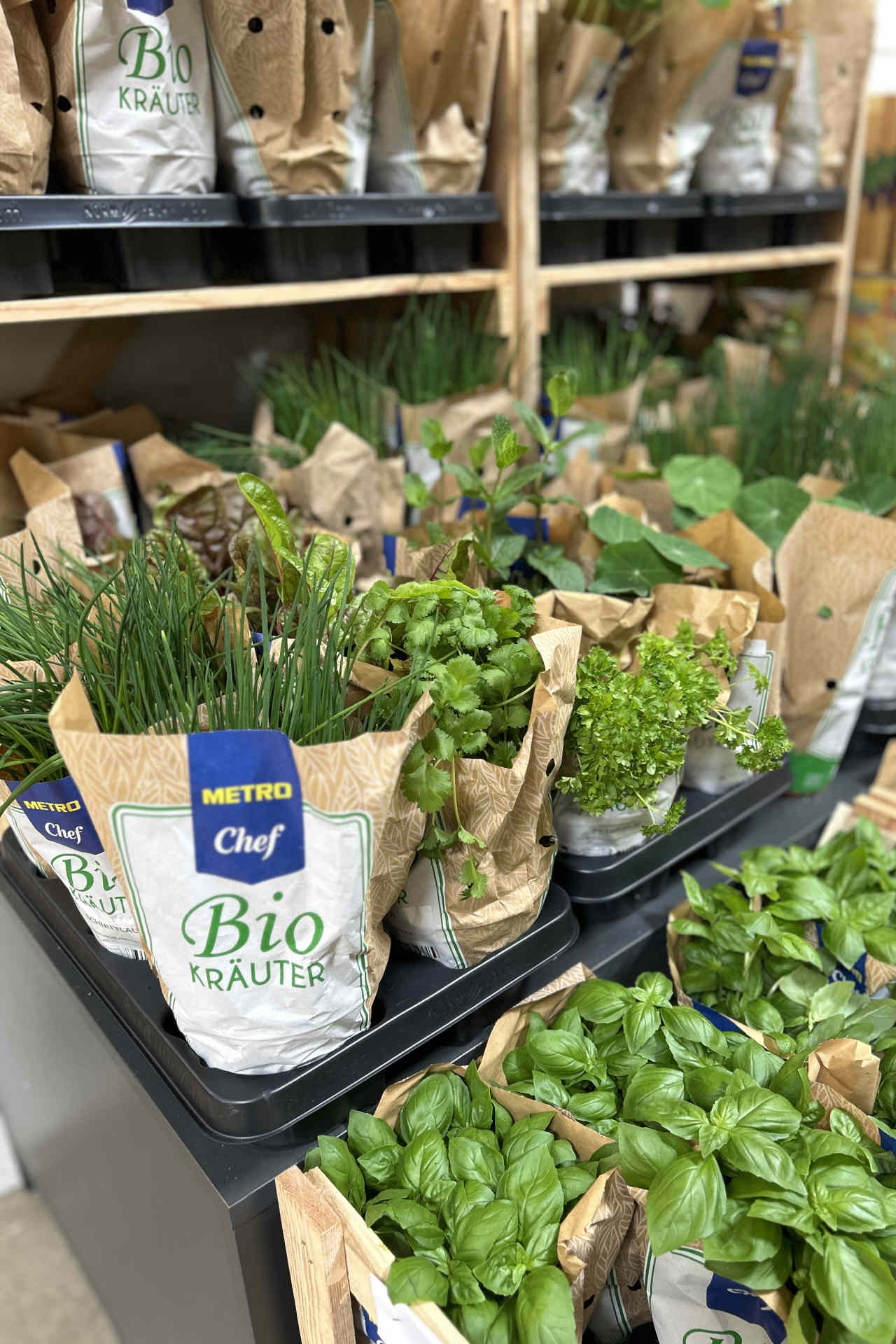
- 1,800 organic products across all categories (meat, fish, fruit, vegetables, dairy, coffee, chocolate, wine).
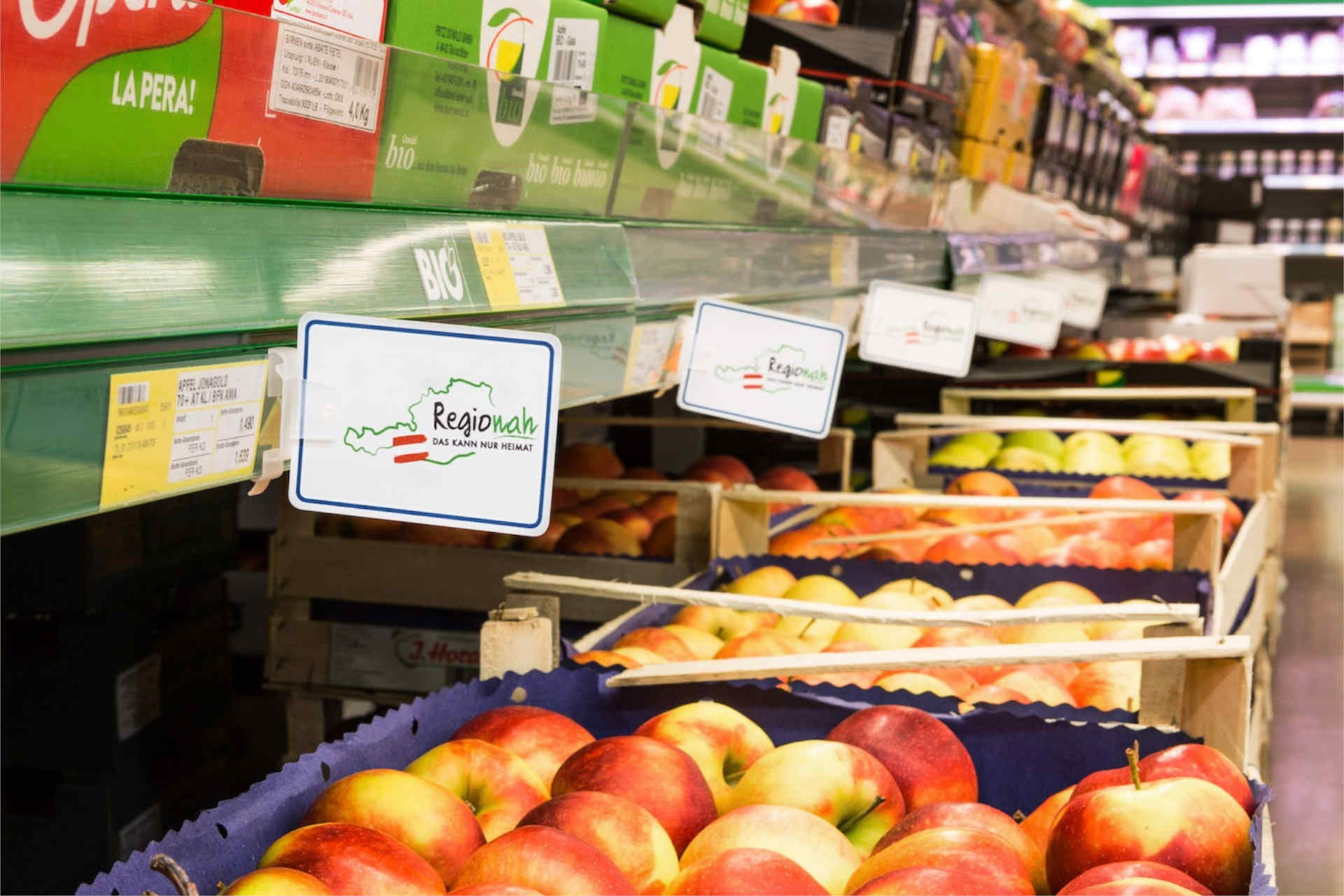
- 3,725 “Regionah” products – 100% Austrian origin and processing, sourced within ≤100 km of each METRO store.
- New labeling: “Fresh Quality from Austria” for ultra-fresh categories such as fish, meat, fruit & vegetables, dairy.
Why it matters: METRO provides wide availability and traceability (EU organic, AMA, ASC/MSC, internal quality checks) within a wholesale system – crucial for menu consistency and guest communication.
Angela Wider, Director Offer Management & Supply Chain, METRO Austria:
“We are expanding our organic and regional assortment to strengthen sustainable and socially responsible production while meeting growing demand for conscious eating and short transport routes.”
Hospitality application points:
- Menu architecture with organic anchors (“Organic Alpine Breakfast,” “Regionah Day’s Catch with seasonal vegetables”).
- Purchasing lists: staple organics (flour, eggs, milk, oils), hero products (Bregenzerwald cheese, Styrian pumpkin seed oil), Regionah meats (Triestingtal beef, Duroc pork).
- Banqueting concepts: scalable “regional-organic” packages with seasonal pricing.
- Retail corners: “Take Home Austria” – organic jams, pickles, wines – adding margin and brand storytelling.
Building a Credible Sustainability System – Six Steps
- Plan by product group: Which top 10 items will be converted to organic/regionah/ASC/MSC first?
- Document supply chain: Store certificates, batch numbers, delivery notes – centralize for compliance and storytelling.
- Menu & pricing strategy: Good-Better-Best model (regional → organic/regional → premium organic + ASC/MSC).
- Train staff: 15-minute briefings per season on new products, seals, and “one-liner” guest explanations.
- Communicate clearly: Menus with sourcing notes, table cards, QR links; reels showing farm-to-table journeys.
- Measure KPIs: % certified purchases, food cost, contribution margins, guest feedback/NPS. Target: +15% certified share within 12 months.
Quick Wins for Kitchen, Bar & Breakfast
- Kitchen: Weekly “Organic Lunch Line,” Friday ASC/MSC fish special.
- Bar: Low-ABV cocktails with organic herbs, Regionah syrups, fish-pairing flights.
- Breakfast: “Organic Austria Corner” (bread, cheese, yogurt, fruit, ferments) with sourcing map.
- Banquets: Clearly labeled menu building blocks (organic veggie dish, ASC-certified fish, Regionah meat).
Key Data & Seals
- Austria (2024): 698,590 ha organic farmland (+5%); 27.3% share; 24,099 organic farms (23%).
- METRO Austria: 1,800 organic products, 3,725 Regionah products (≤100 km, 100% Austria).
- Fish seals: MSC (wild catch), ASC (aquaculture).
- Nutrition: Fish provides protein, Vitamin D, Omega-3s; supports cardiovascular and cognitive health.
Checklist – Are You Guest-Ready in Bio & Sustainability?
- At least 1 organic + 1 regional option per product group
- ASC/MSC-certified options for 2+ fish dishes on the menu
- Origin/label statement under every dish
- Team briefings with ready-to-use guest responses
- QR info pages (suppliers, certifications, seasonality)
- Quarterly KPI tracking (certified share, food cost, DB, guest feedback)
Conclusion
Combining organic, regionality, and responsibly sourced fish creates a triple win: credibility for guests, predictabilityin procurement, and profile differentiation in the market. With “Check Your Fish!” as a communication toolkit and METRO’s broad organic/Regionah range as a sourcing backbone, hospitality businesses can implement sustainability visibly, measurably, and profitably – today.