Hightech, Low Human
Technological progress is outpacing human development
14 May 2026 · Slatco Sterzenbach
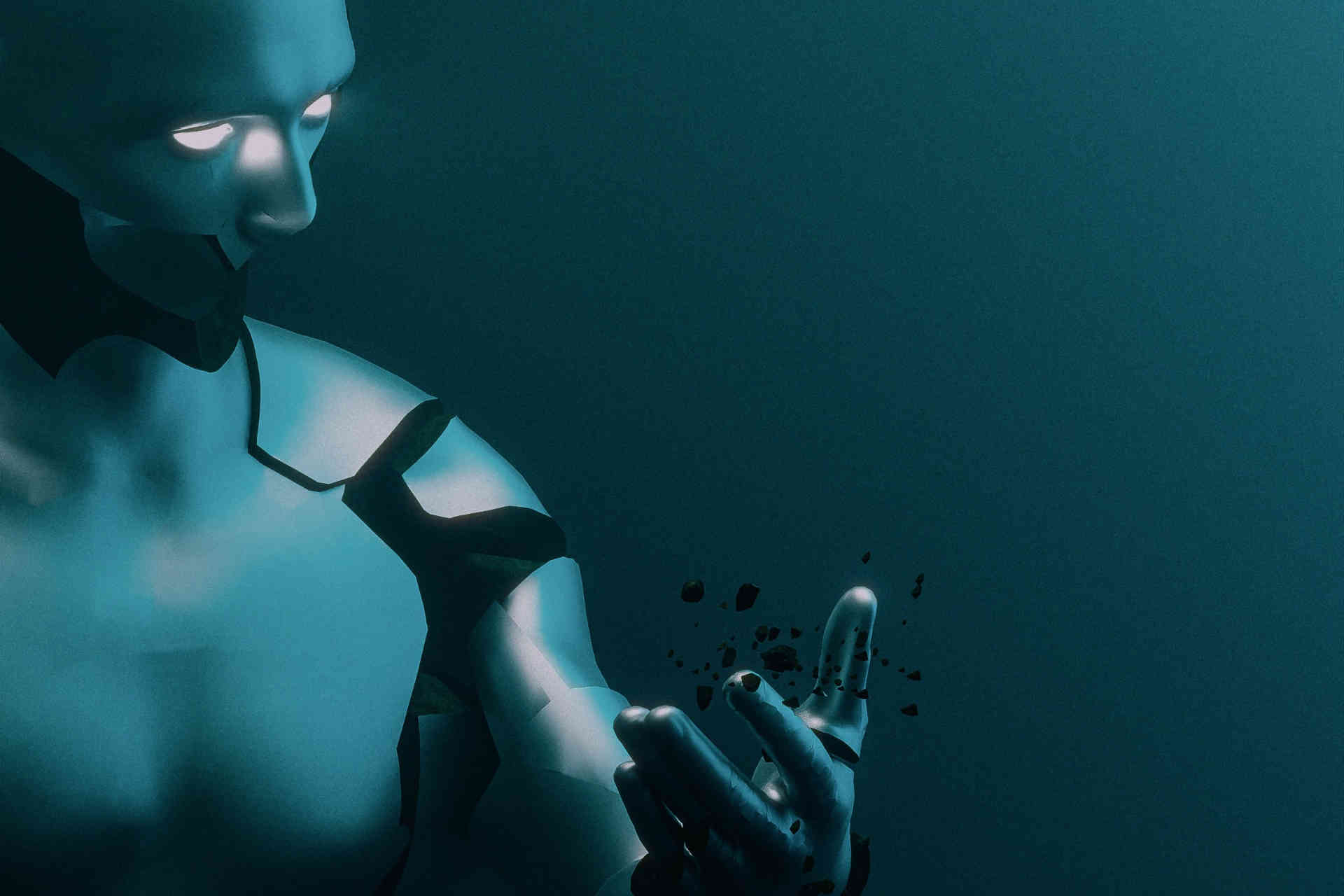
We live in a world that moves faster than we can keep up with. Artificial intelligence writes texts in seconds, booking systems optimise entire hotels, and self-check-in is replacing reception desks. The future unfolds by the second, and yet many people feel as though they are standing still inside.
The paradox of our time is this: technology speeds us up, but it does not help us develop further. Whilst machines are becoming ever more intelligent, we often lose the ability to think clearly, make conscious decisions and be truly present. We live faster, but feel less. We know more, but understand less. And it is precisely in sectors such as the restaurant and hotel industries, which thrive on humanity, that this divide becomes dramatically apparent.
Breaking the ‘vicious cycle of constant acceleration’
Many people – whether in customer service, management or their private lives – find themselves caught in a ‘vicious cycle of constant acceleration’. They lose the ability to pause and reflect. The nervous system is in a state of hyperarousal, decisions become more frantic, and relationships more superficial. You keep going, but you no longer feel.
The way out always begins within: with self-management. Not with tools, methods and checklists, but with mental clarity. With an awareness of who you are, how you think and what you really need to stay stable.
Mental clarity: Three practical strategies for a mindful life
- Slowing down as a daily micro-ritual
Mindfulness needs space. Just two minutes of mindful breathing measurably lowers cortisol and stops the inner autopilot. A simple routine: before every meeting, every client meeting or every service shift, take three deep breaths – mindfully, without distraction. It sounds trivial, but it changes your inner state immediately. - Setting digital boundaries
Technology isn’t the problem; it’s the lack of control over it. A clearly defined “offline moment” each day – at breakfast, between shifts, after work – acts as a reset for the nervous system. No scrolling, no checking, no reacting. Just coming back to the present. - Mental priorities instead of to-do lists
Humans aren’t built to juggle ten things at once. Leadership starts with the question: “What’s really important today?” Not everything is equally urgent. Not everything is equally valuable. Conscious prioritisation brings calm to the day and clarity to your thinking.
Personal development requires inner guidance
Technology makes many things faster. But it does not make us more profound. Self-management means maintaining inner balance: between the external and the internal, performance and rest, pace and depth.
Studies by Yale University show that people with well-developed self-awareness make up to 40 per cent better decisions in complex situations. Not because they know more, but because they think more clearly.
In a world where everything is accelerating, it is not the fastest who wins, but the most stable.
What the hospitality and hotel industry needs right now: real people
Hardly any other sector illustrates the consequences of this trend as clearly as the hospitality and hotel industry. On the one hand, there is massive digitalisation: digital ordering processes, self-driving service robots, automated booking systems. On the other hand, there is a growing need among guests for genuine warmth, authenticity and humanity.
Technology can do many things. But it cannot smile. It cannot connect. It cannot feel. A hotel guest does not remember the perfect automation, but the moment when they felt seen. A visit to a restaurant is not remembered for the digital booking, but for the atmosphere, the eye contact, the recommendation that came from the heart.
This is precisely where the importance of employees’ mental frameworks becomes clear. Not everyone is cut out for every role. And that is exactly what metaprogrammes are for.
The Metaprogrammes: Who Belongs Where?
People think differently. Some are task-oriented. Others are people-oriented. And that is the crucial difference between a good and an exceptional service experience.
An example:
You order a cappuccino. The waiter says: “No problem.” That is functional, correct, and shows that, for him, the order is a task.
Then the opposite happens:
Someone smiles, replies “With pleasure”, and perhaps even asks: “May I recommend our homemade dessert to go with that? We have something very fresh today, made to our manager’s recipe.” That isn’t service. That’s humanity.
The first waiter is task-oriented. Perfect for back office, logistics, organisation, till duties. The second is people-oriented. Perfect for service, guest contact, reception.
People function best in roles that match their inner structure. That is where ease arises. That is where enthusiasm arises. That is where an experience arises that no AI can ever replicate.
What the hospitality industry can learn from peak mental performance
Peak mental performance does not mean doing more. It means acting more consciously. It arises when people work to their strengths, have inner clarity and lead with emotional stability.
Hotels and restaurants that apply these principles create teams that enjoy their work. They reduce staff turnover, enhance the guest experience and build a working environment that fosters commitment. Not through pressure, but through awareness.
A business that understands its people leads better.
A business that understands only technology loses it.
Conclusion: The future belongs to those who prioritise awareness over speed
Technological progress is not the enemy. It is an opportunity. But it only becomes an opportunity if we do not forget inner progress.
Anyone who wants to succeed in a digital world does not need more knowledge. They need more awareness. More clarity. More presence. More humanity. Whether in our private lives or at work, whether in management or in the hospitality industry: true development begins when we learn once again to lead ourselves.
For technology can speed up many things, but it can never replace the person who knows why they do what they do.
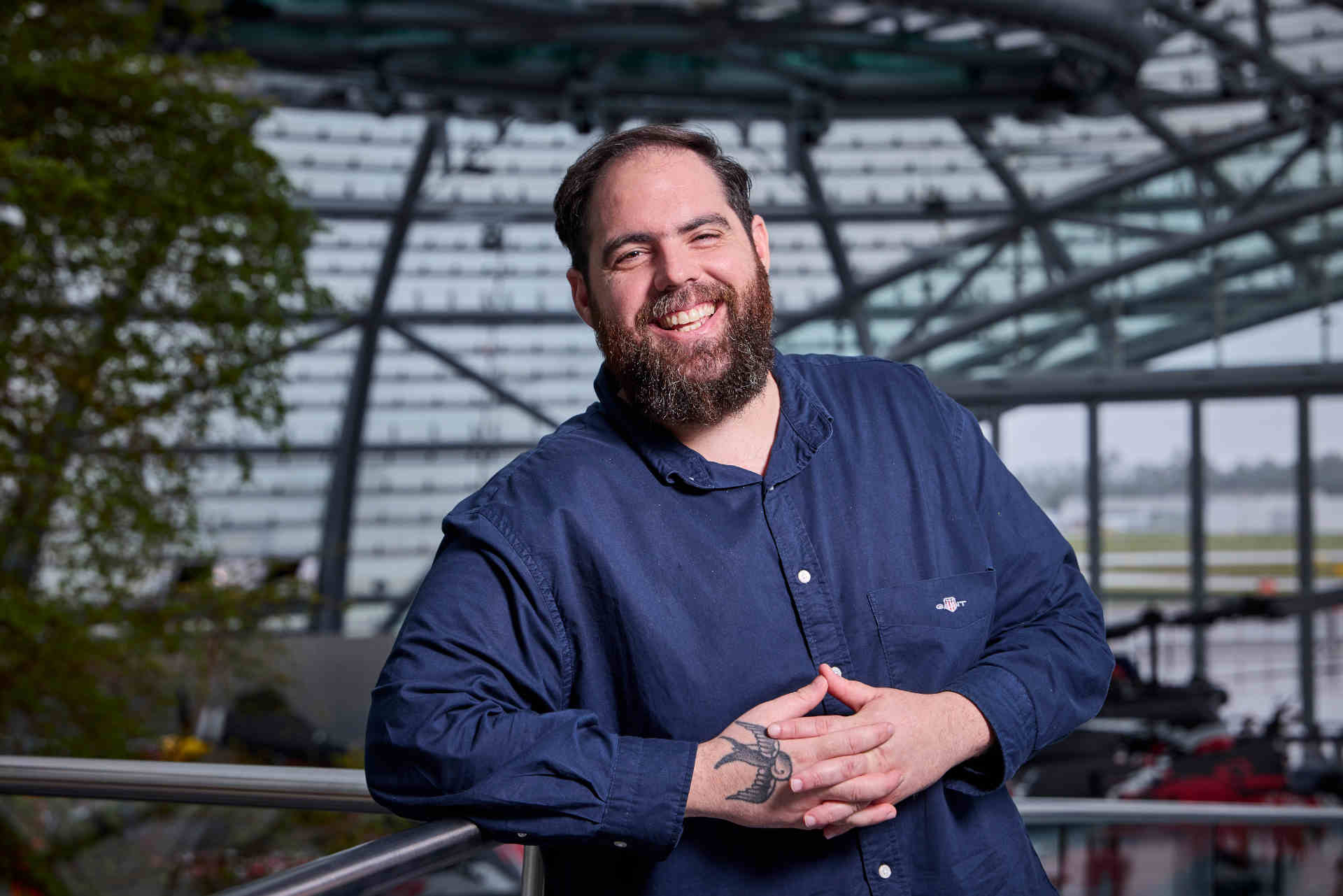
About Slatco Sterzenbach
Slatco Sterzenbach has successfully completed 17 IRONMAN races and is an expert in mental and physical peak performance for entrepreneurs.