Fermentation as a tool for the future
From quick pickles to enzyme cultures – practice, processes, perspectives
20 February 2026 · Alexandra Gorsche
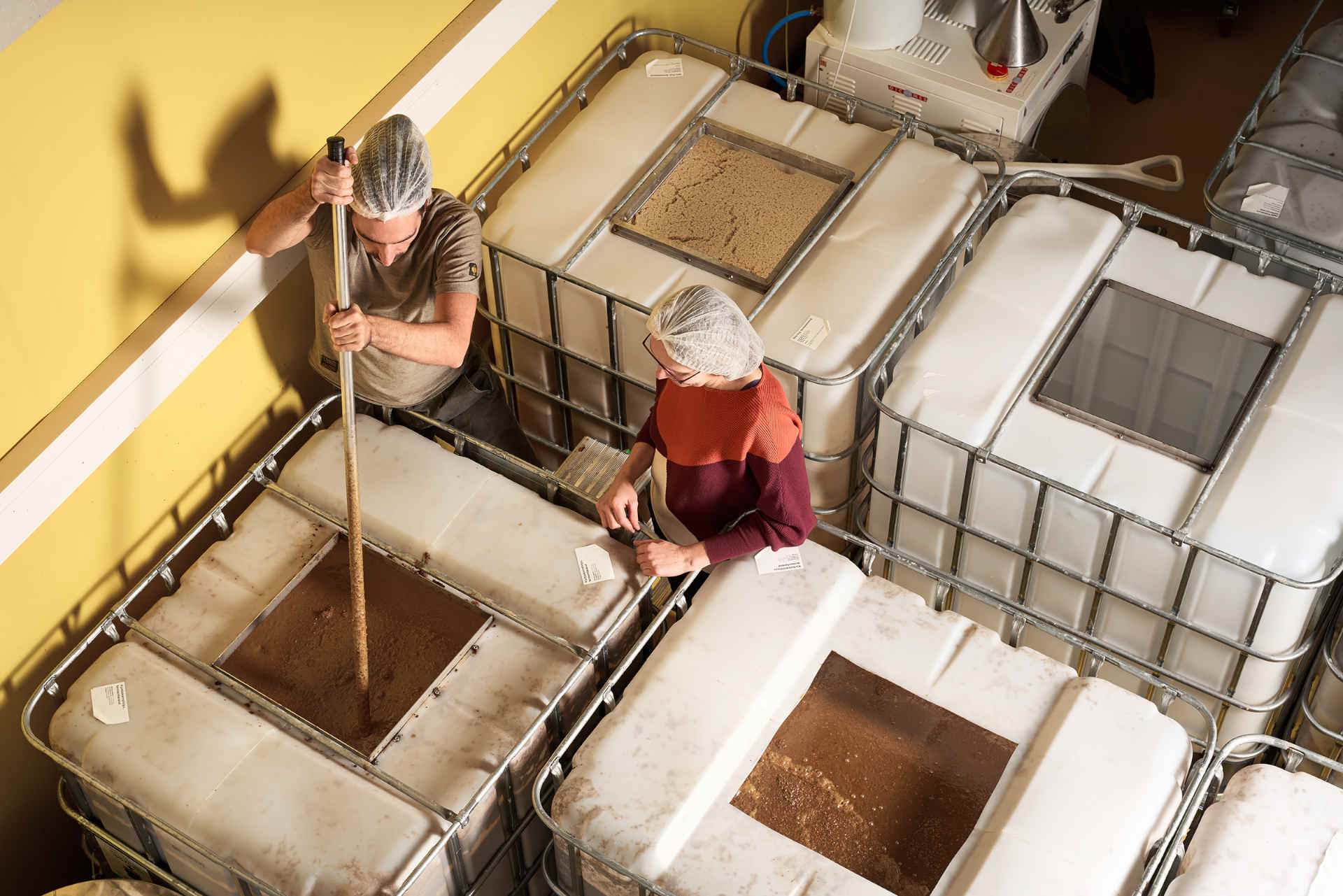
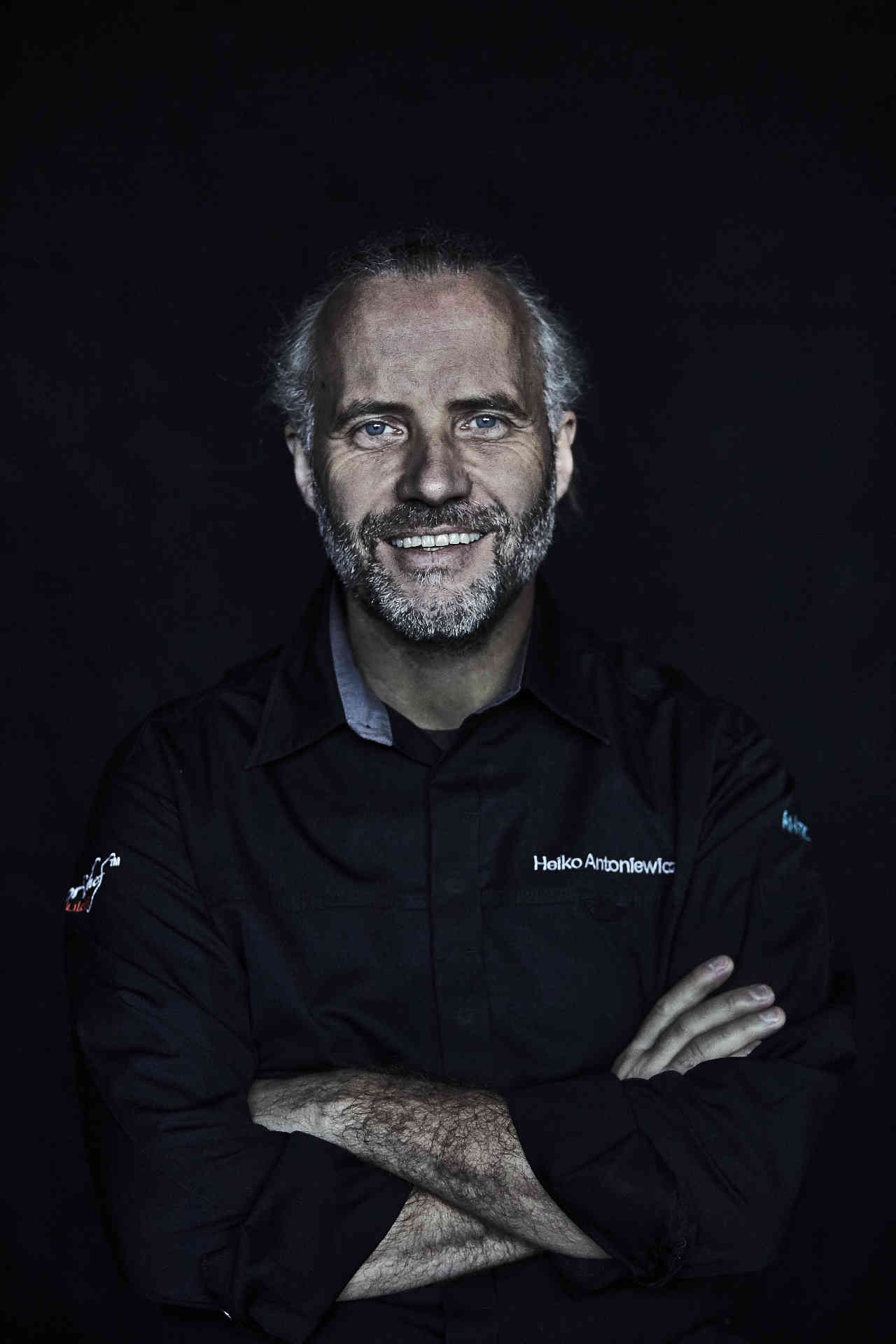
Classification, process knowledge, and application ideas with contributions from Alexandra Klein, Heiko Antoniewicz, and Lukas Nagl.
“Fermentation is essentially a transformation—food is converted into a new, improved product with the help of microorganisms.”
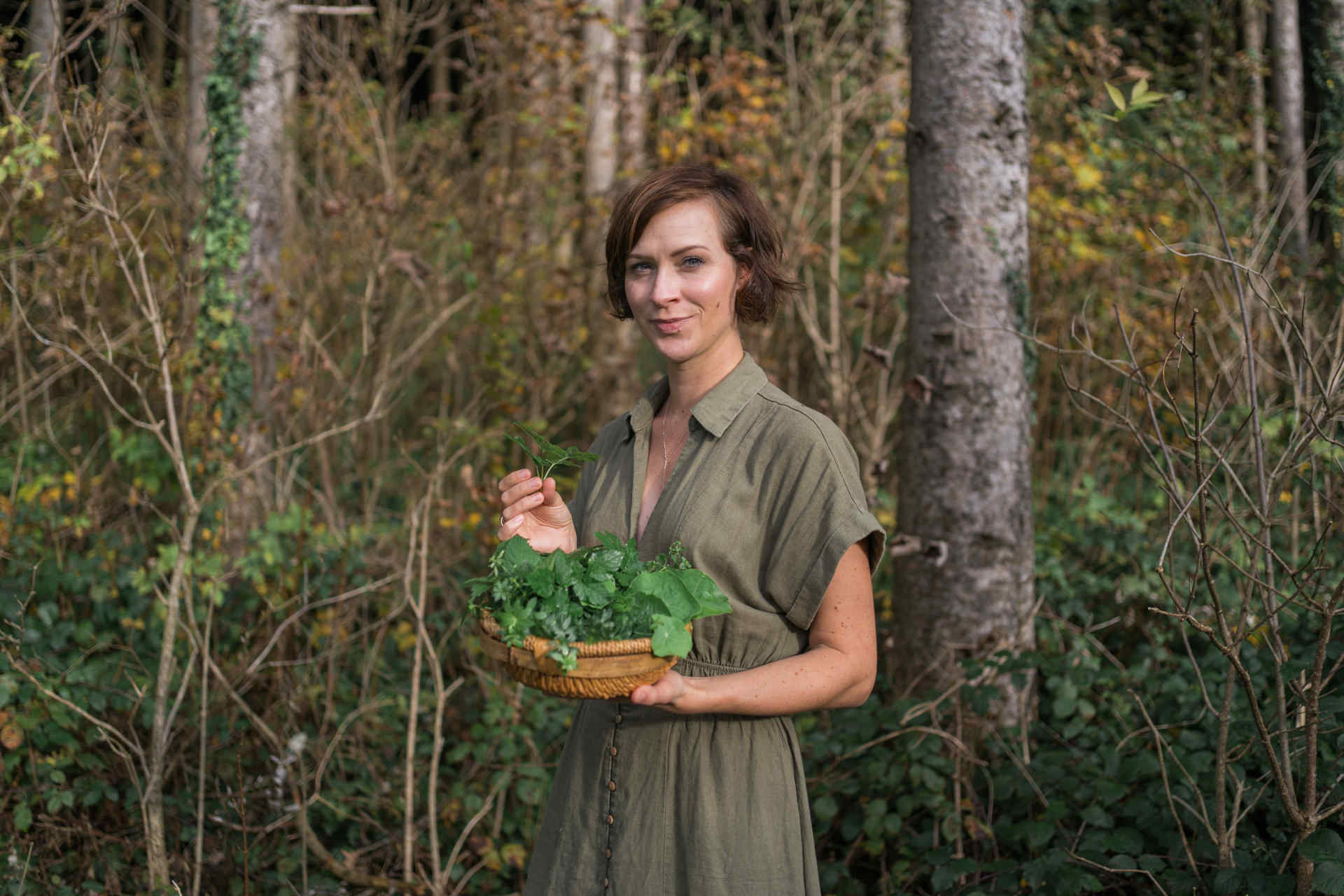
Alexandra Klein, “Herb lady”
Your own style with fermentation
Fermentation delivers intense flavor, shelf life, and narrative added value in professional kitchens. Between classic lactic acid fermentation and modern enzyme fermentation, profiles are created that sharpen regionality, stabilize calculations, and reduce food waste. Alexandra Klein notes: “Fermentation is essentially a transformation—food is transformed into a new, improved product with the help of microorganisms.”
At a time when culinary concepts are becoming increasingly similar, fermentation offers an opportunity to showcase one's own style. Regionality and seasonality can thus be staged not only culinarily, but also communicatively. “Regionality is extremely important in fermentation – pesticide-free is crucial. This creates a culinary connection between landscape, season, and taste,” explains Klein.
Guest guidance and communication
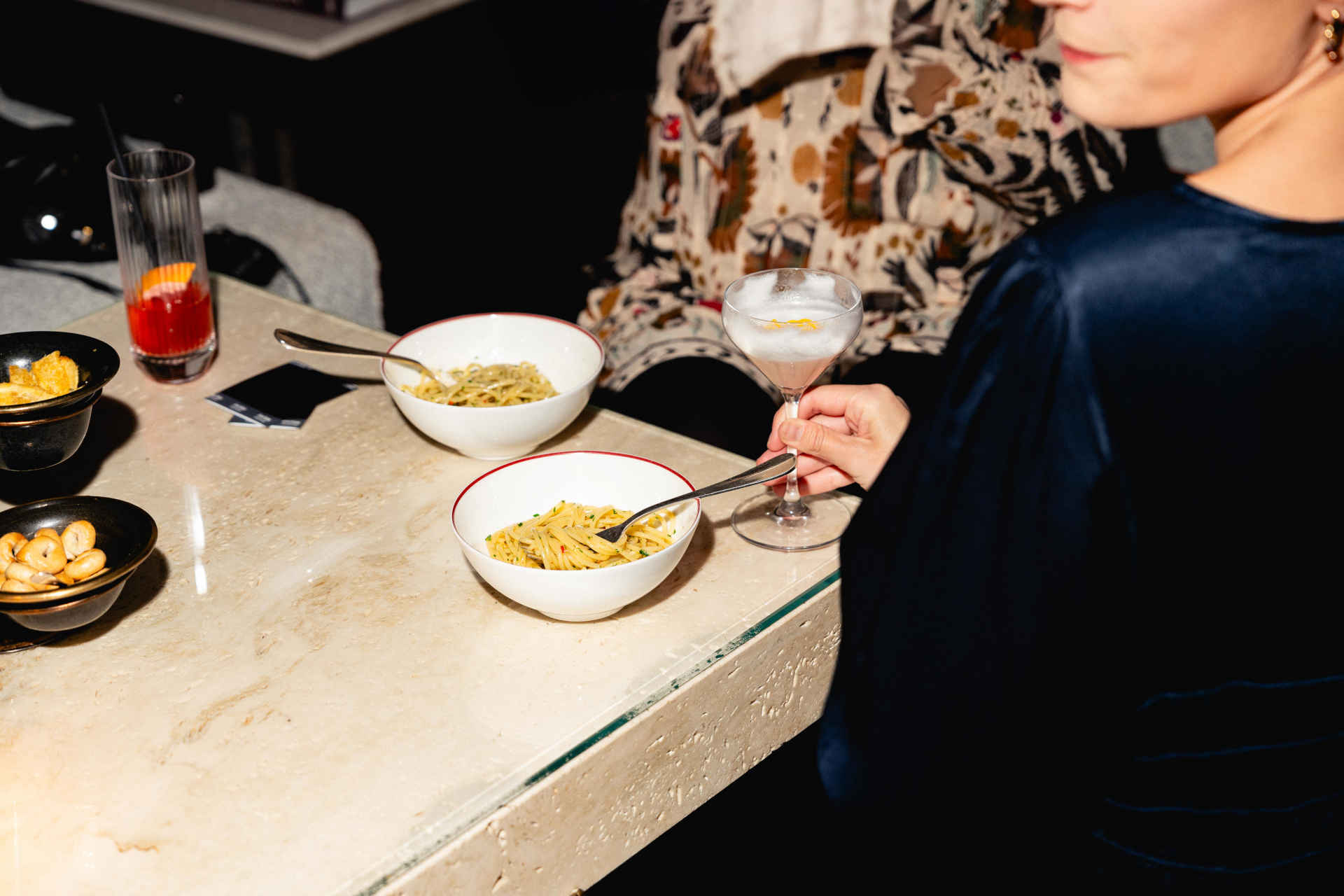
Fermented foods are used sparingly: small accents on the plate, miso butter with bread, kombucha vinaigrette in salads, non-alcoholic pairings at the bar. Clear menu descriptions and brief service stories increase acceptance. Klein points out: “Many people cannot tolerate large amounts of fermented foods at first; regular consumption increases digestibility. Therefore, use in moderation.”
Basics and suitable introductions
Lacto-fermentation is considered reliable and predictable: pickles (cucumber, carrot, kohlrabi), sauerkraut, and kimchi are tried and tested formats. In the kitchen and bar, sourdough, kombucha, and milk kefir offer quick applications. “To start, all you need is salt, vinegar, sugar, and a starter culture from another ferment (bagslopping). Vegetables allow you to observe the degree of ripeness and taste samples at any time,” explains Heiko Antoniewicz. The rule of thumb for brine: approx. 2% salt. Smaller batches make it easier to control, document, and scale.
Using umami strategically
Fermented components fill sensory gaps, especially in plant-based menus. Miso, garum, koji extracts, and black garlic add depth without overpowering the main flavors, says Antoniewicz: “Fermented vegetables bring a naturally savory-salty profile that creates the desired depth in pure vegetable dishes.” A special case is coffee as a seasoning (in oil or salt) just below the threshold of perception: a depth booster without dominance.
Next level: enzyme fermentation and knowledge culture
The targeted use of enzymes (e.g., from fungi/bacteria) enables precise flavor control and strengthens circular principles. Antoniewicz explains: “Enzyme fermentation is the logical next step. Modern technologies support gentle processing and new flavor profiles.” Open knowledge transfer accelerates development and quality assurance—professional discourse replaces secrecy.
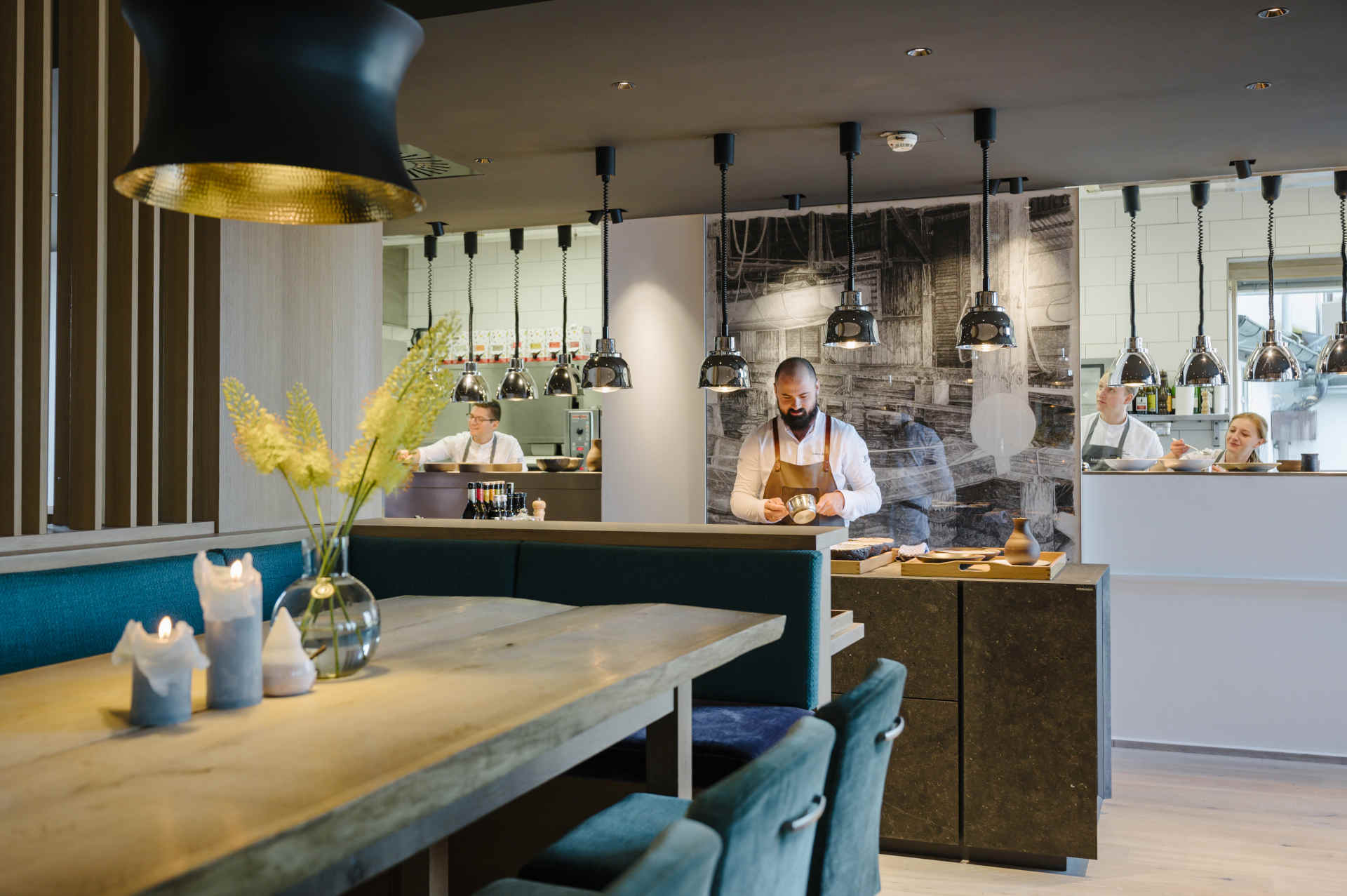
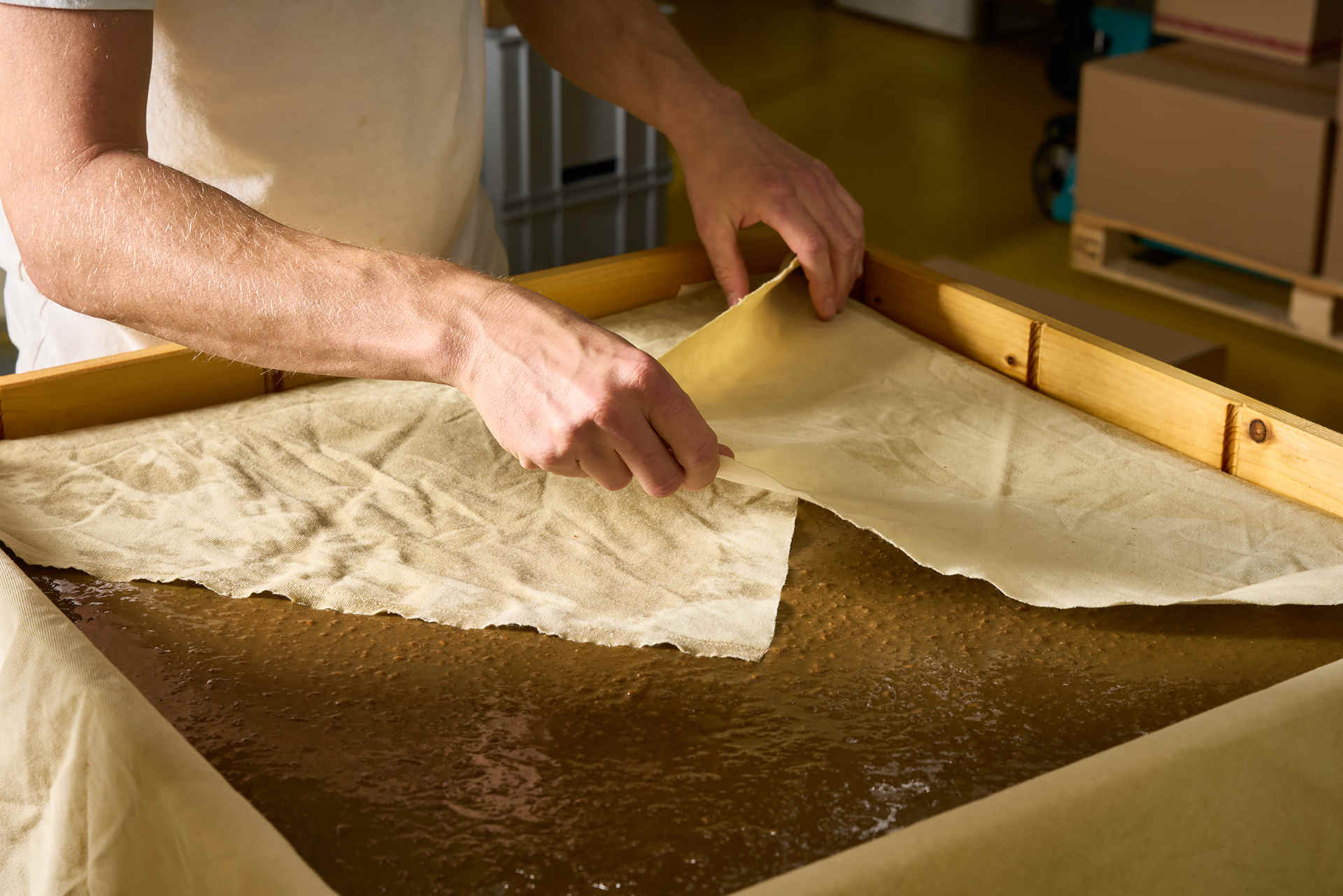
Mise-en-place, seasonality, and utilization
Regularly scheduled batches ensure freshness in winter and utilize surpluses. Ripe fruits can be preserved through fermentation; seemingly inferior goods gain value. Gurkerl, a cultural staple of Austrian cuisine, gain tannins and structure from cherry leaves. Lukas Nagl emphasizes: “Things that appear to have no value at first glance gain value.”
Process reliability: parameters and hygiene
The key factors are temperature, salt content, pH value, and oxygen management. Clean working practices, precise weighing, and temperature control are mandatory. Microbiological testing is advisable for complex ferments (garum, shoyu, sauces). Nagl notes: “Salt acts like a bouncer and must be dosed in the right amount. Meticulousness beats improvisation.”
Organization, infrastructure, and make-or-buy
Scaling requires pH probes, temperature logging, batch sheets, and, if necessary, food technology in the process. Highly specialized components (such as koji spores) are deliberately purchased from outside suppliers in many top companies to ensure quality. Nagl notes: “Focus on what you do really well – not everything has to be produced in-house.”
Terroir instead of imitation
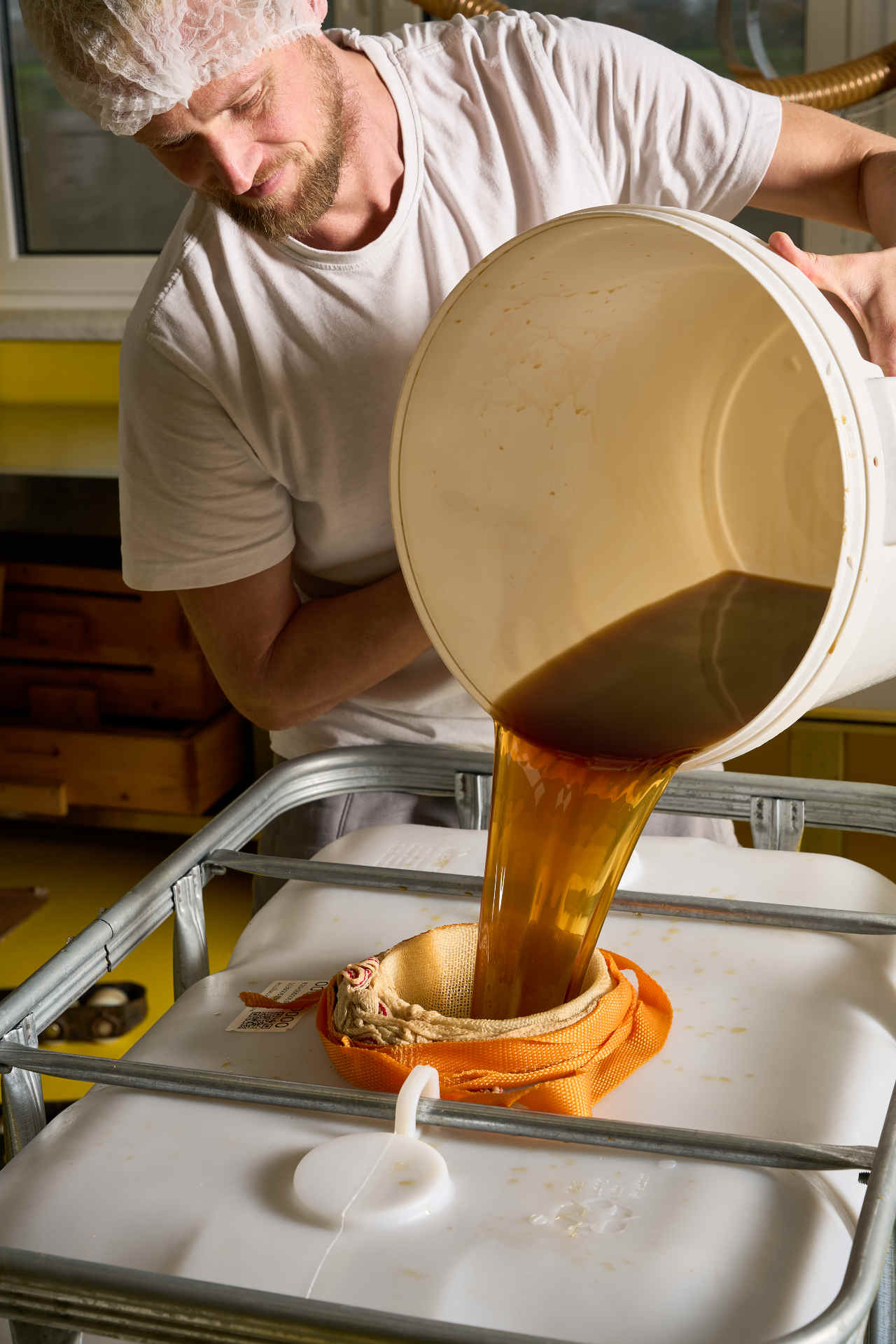
Instead of copies of global models, regional variants are emerging: soy sauce analogues made from pumpkin seed press cake or wheat, freshwater garum as a reflection of the location. Koji serves as an enzymatic tool, not as an end in itself. Nagl sees it clearly: “Don't imitate, integrate – that reflects terroir and creates distinctiveness.”
Application ideas
- Umami finishing: black garlic kombucha mushroom powder as a topping
Tip from Alexandra Klein - Coffee salt/oil for depth in stocks, jus, dressings
Tip from Heiko Antoniewicz - Homemade gherkins with sour cherry leaves for beef tartare, tartar sauce
Tip from Lukas Nagl - Miso butter with bread service; koji crumble for texture
Starter kit for businesses
Basic equipment includes food-safe fermentation vessels, precise scales, pH meter, thermometer, and vacuum sealer if necessary. Standardized cleaning and disinfection plans and structured documentation (date, raw materials, salt %, temperature, pH, sensory analysis) are mandatory.
Common mistakes – and how to avoid them
- Rushing into upscaling without reliable pilot batches
- Unclear salt management and fluctuating temperatures
- “Hype before sense”: processes without culinary, organizational, and sustainable logic