Experience instead of standard
The new role of gastronomy in hotels
24 February 2025 · Pierre Nierhaus
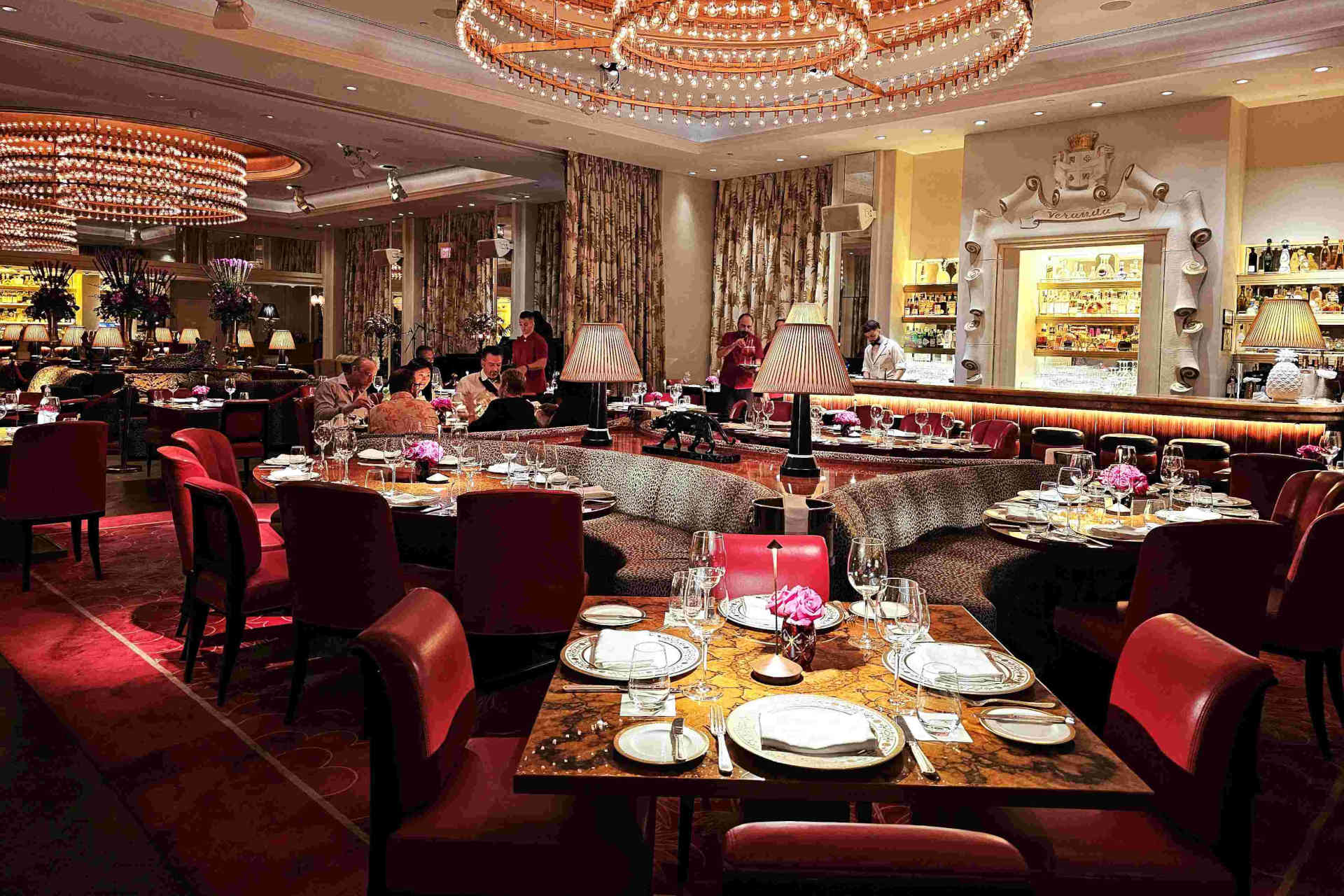
The travel and hotel industry is undergoing a profound transformation, characterized by new guest wishes and a changing market. The industry has recognized that attractive gastronomy creates experiences, raises the profile and thus enables profitable storytelling. Hoteliers are making a fundamental decision: really good gastronomy or a reduction to minimal provision, e.g. through vending machines and kiosks at reception. Digital technologies are playing an increasingly important role: contactless check-in, digital payment methods and robots to assist with cleaning and buffets are on the rise.
Location & Emotion
Two factors determine the choice of hotel: Experiences or the best location. Guests expect unforgettable moments, be it through unique gastronomy, extraordinary hotel concepts or events with added value such as team-building workshops or creative strategy meetings, preferably in beautiful rooms and unusual hotels in the countryside. For Generation Z, a top location and a top story count above all. At the same time, sustainable, green hotels with energy efficiency and regional cuisine are becoming increasingly important. Sustainability also includes a connection to the local community.
From ultra-luxury to minimalism
Luxury is being redefined. While some “5-star” hotels are secretly slimming down and actually only operating at 4-star level, others are focusing on ultra-luxury such as Rosewood and Six Senses or on exclusivity such as Aman Hotels and club character such as Soho Home. Lean luxury with a lean, sustainable lifestyle is particularly popular with the avant-garde and younger travelers. New players such as Limehome combine minimalism and digitalization and transform commercial spaces into functional hotels with well-designed rooms without their own gastronomy, but with cooperations with external providers.
Wellness and longevity
The wellness trend is booming, particularly in the premium segment with a focus on longevity and medical wellness, such as at the Lanser Hof. High energy costs require modern technology and consistent positioning with a holistic wellness concept. A little wellness no longer works.
From sustainable travel to metropolitan bunkers
Short trips and sustainable travel are gaining in popularity, as is digital detox on an off-line vacation. More and more cities, such as The Hague, Amsterdam, Barcelona and Venice, are restricting tourism and relying on sustainable practices, such as limited cruise ships and targeted anti-advertising, to regulate tourism and protect the environment. At the same time, hotel prices are rising, especially in major international cities such as New York, while new usage concepts such as multi-use properties – for example Hamburg's Bunker with hotel, offices and leisure facilities – are enriching the market.