Book tip: Lasagna, Moussaka, and Co. – Happiness in Layers
Ilse Fischer's “Lasagna, Moussaka, and Co.” is a culinary journey through Europe in casserole form
11 January 2026
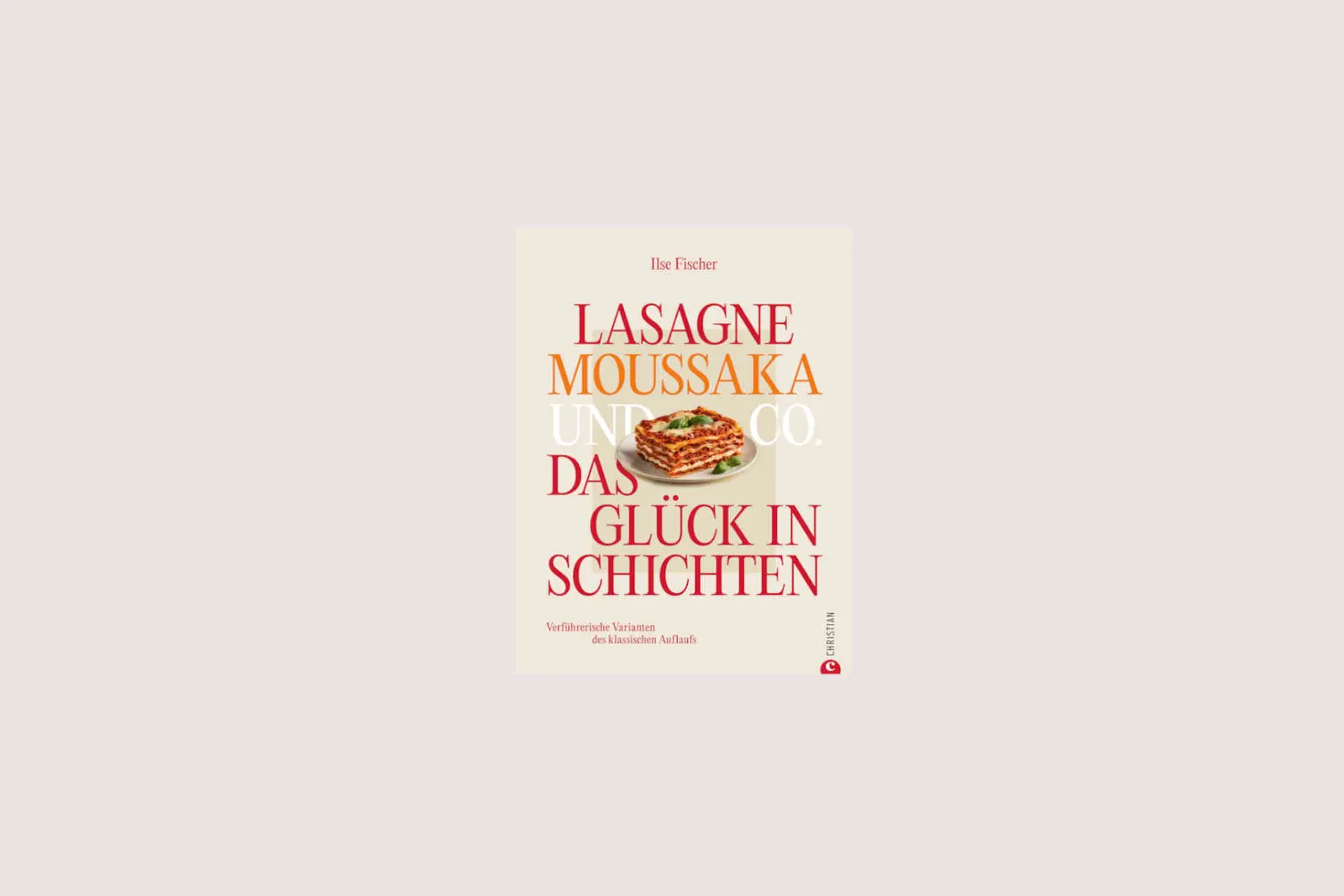
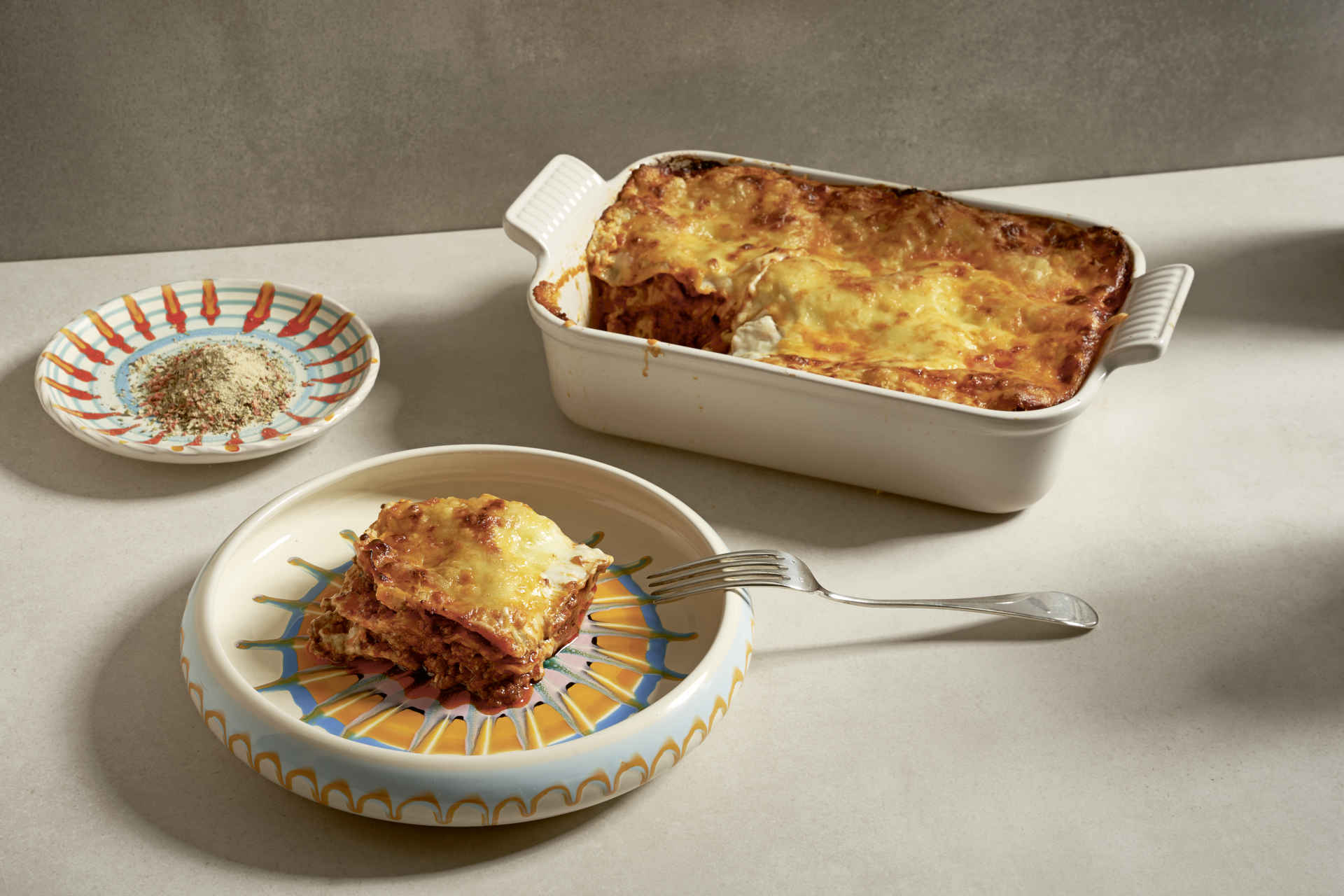
Casseroles are underestimated. They are often considered cozy, filling, a little old-fashioned—but they are actually culinary narrative forms. This is exactly where Ilse Fischer comes in. Lasagne, Moussaka und Co.: Das Glück in Schichten (Lasagna, Moussaka and Co.: Happiness in Layers) is not just another “lasagna book,” but a collection of cultural identities, layered in dough, vegetables, sauces, and memories.
What sets this book apart from classic recipe collections is its focus on the principle of layering. Fischer shows that whether it's Italian vincigrassi, Greek pastitsio, Alsatian baeckeoffe, or Savoyard tartiflette, ingredients are layered, interwoven, and combined in the oven to create something greater than the sum of its parts throughout Europe. It's about more than technique. It's about origin, climate, availability, and food culture.
INFO:
Lasagne, Moussaka and Co. – Happiness in Layers
Author: Ilse Fischer
Photography: Ingolf Hatz
Publisher: Christian Verlag GmbH
Publication date: November 2025
Length: 256 pages
Binding: Hardcover
Language: German
ISBN: 978-3-9895101-6-6
A dramaturgy of sauce, dough, and time
When leafing through the book, it is immediately apparent how carefully it has been composed. The recipes do not follow a simple country-by-country logic, but rather a culinary dramaturgy: hearty meat casseroles, vegetarian variations, fish, legumes, and finally sweet layered dishes. This makes the book read almost like a menu—with suspense, contrasts, and surprising twists.
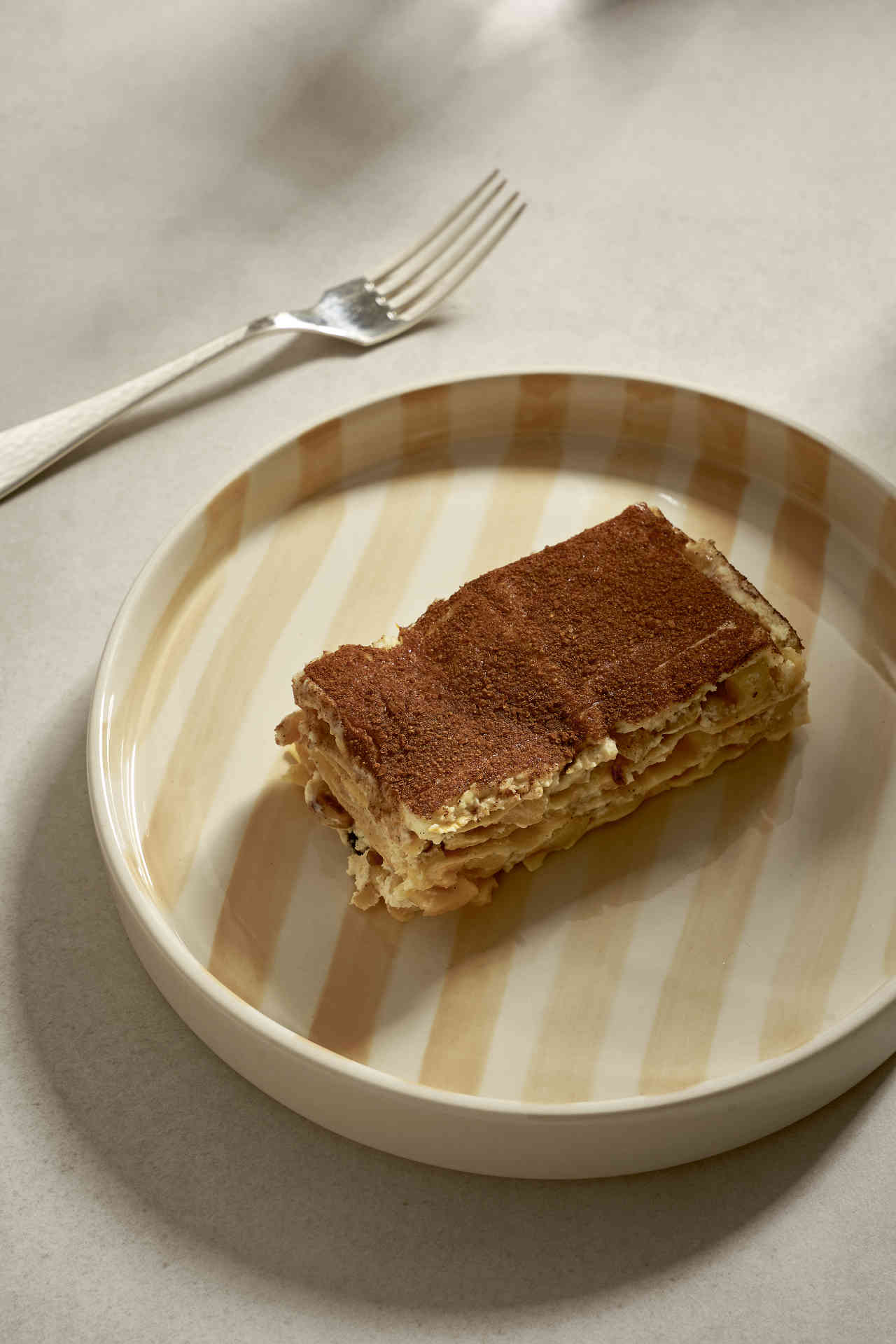
A prime example is the much-cited apple strudel lasagna. On paper, it sounds amusing, but in practice it turns out to be a brilliant fusion of Austrian pastry culture and Italian lasagna technique. Ricotta cream, diced apples, raisins, pine nuts, and cinnamon are layered in such a way that textures and flavors intertwine like in a fine dining dessert. This recipe is representative of the entire book: respectful of traditions, but bold enough to rethink them.
Curated diversity instead of a recipe graveyard
Ilse Fischer did not invent the recipes herself, but compiled them from the best chefs across Europe—and that is precisely the strength of the book. You can sense the different styles, culinary philosophies, and approaches to ingredients. The spectrum ranges from luxurious interpretations such as morel lasagna to rustic, down-to-earth casseroles with potatoes, beans, or fish. This makes the book rich rather than arbitrary.
This is particularly exciting for professionals and ambitious amateur chefs: the recipes can be followed step by step or used as a basis for your own creations. The basic logic of layering—fat, acidity, starch, umami, texture—runs like a thread through the book.
Visual calm, culinary depth
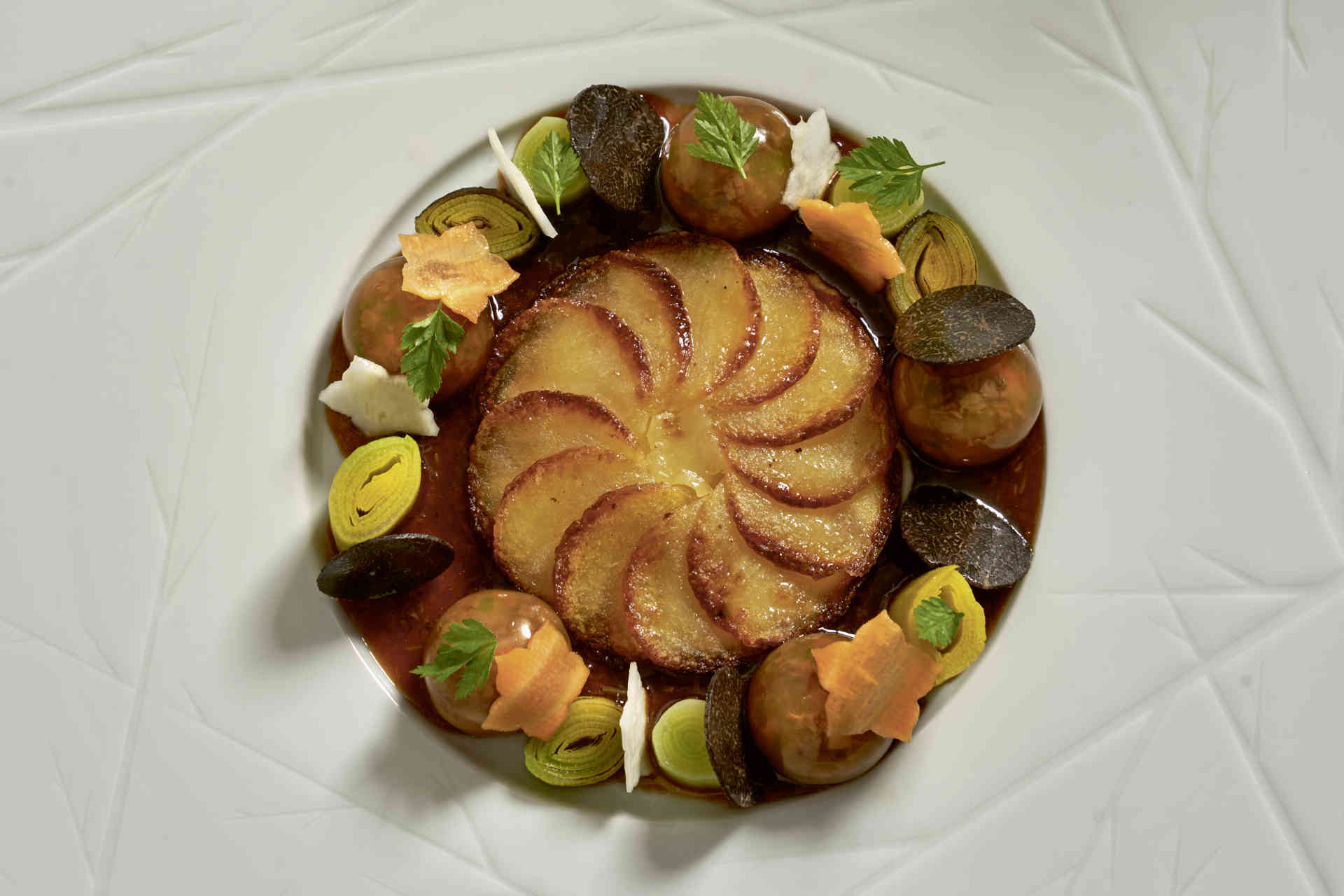
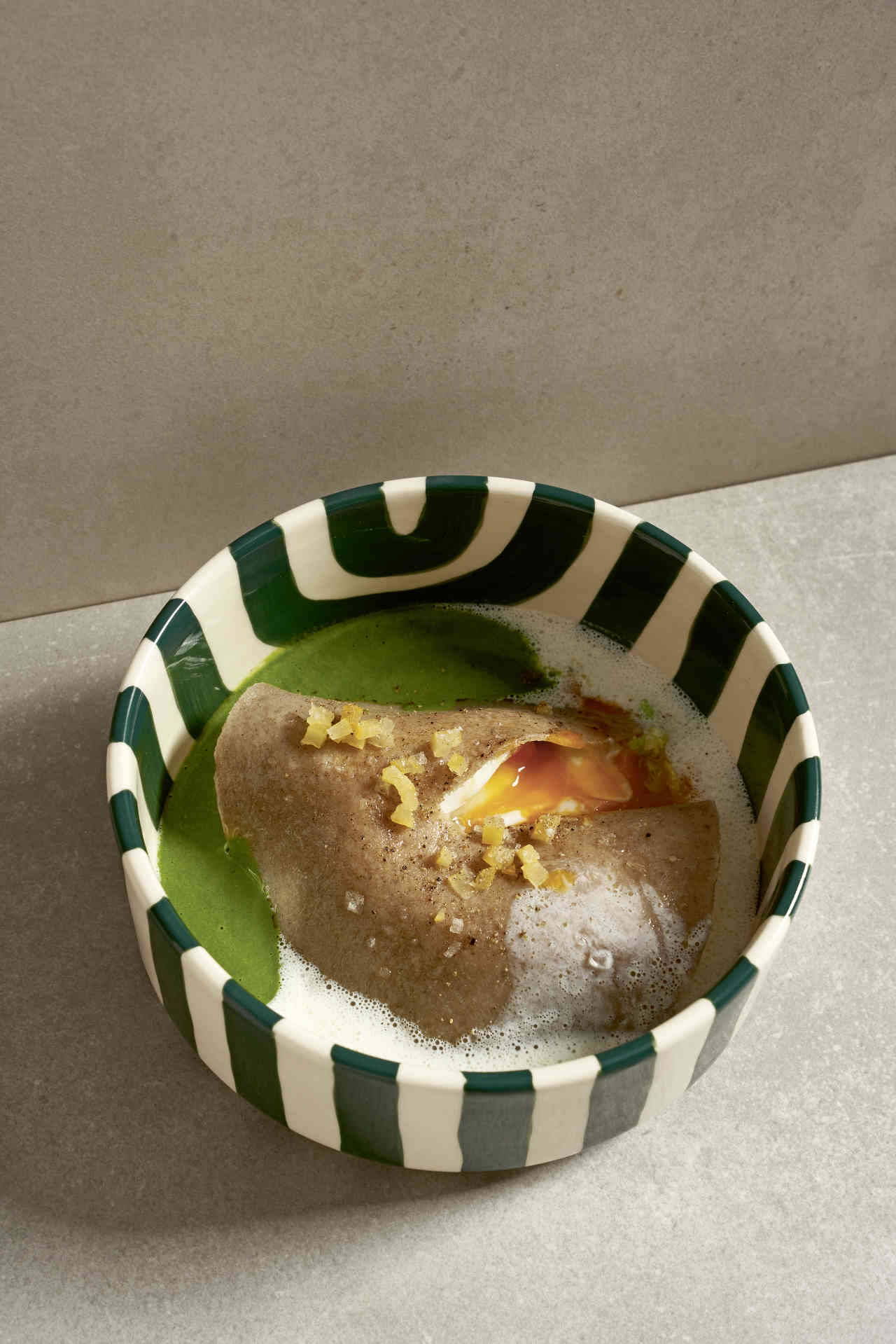
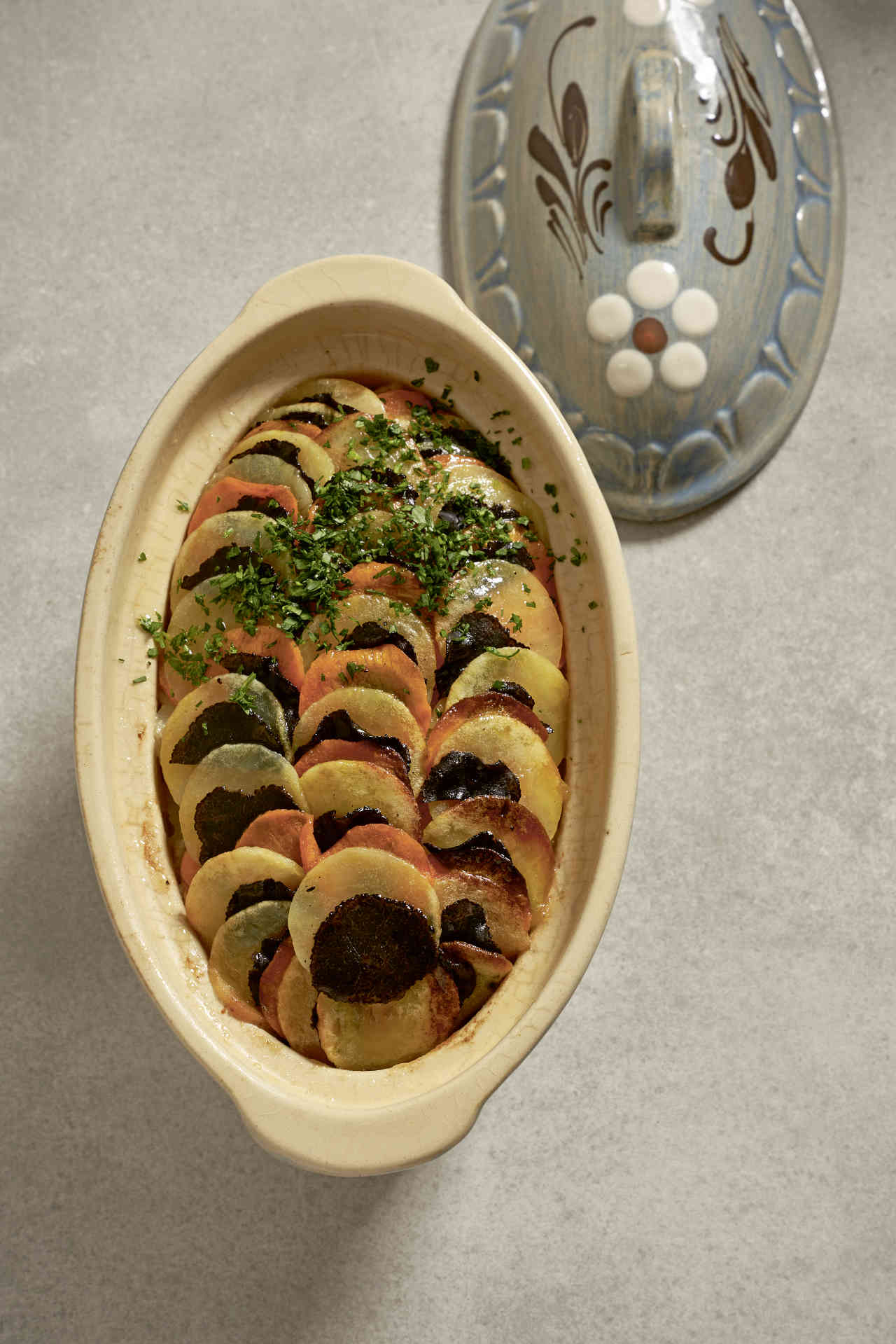
Everything fits together perfectly in terms of design too. The photographs by Ingolf Hatz avoid overly staged food styling clichés. Instead, warm colors, clear structures, and an almost graphic calm dominate. This supports the idea behind the book: casseroles are not show dishes, but honest, deep cuisine.
Conclusion
Lasagne, Moussaka und Co. is a book for anyone who sees cooking as a cultural practice—not just a quick sequence of recipes. It invites you to take your time, build layers, and let flavors develop. Leafing through this book will make you want to turn on the oven more often and not just prepare food, but compose it. A cookbook that proves there is more to layers than meets the eye.
About the author Ilse Fischer
Ilse Fischer is a journalist, marketing expert, and passionate cook. After many years at Residenz Verlag, she founded the agency Kulturdesign & Unternehmenskultur in 2005. Since 2011, she has been part of the Falstaff team, where she writes about culinary trends, food culture, and lifestyle. Her great love is Italy and France—two countries where cuisine is always part of identity. Ilse Fischer lives and works in Salzburg.